Zhejiang Xinxiang Aluminum Co., Ltd.
Anji, Zhejiang · Est. 2003 · 23 yrs
No product photo on file
- Registered capital
- ¥86M
- Standards
- —
- Export signal
- —
Public-list checks (OFAC · UFLPA): no match
Screen SAMR-registered Chinese mills for industrial aluminum profiles: T-slot framing systems, heat-sink extrusions, solar-mounting rails, busbar sections and custom structural profiles in 6061-T6 / 6063-T5 / 6005A. The hard part is matching your sub-type to a mill that actually runs that production line — not just a generic extrusion catalogue.
138 suppliers match this requirement — the 20 with the most evidence on file are below.
How this data is sourced →Independent supplier intelligence — no paid rankings, no affiliate links. Where a unified social credit code is on file, it was transcribed from public registry records and the mill's own site; we do not verify those numbers. Factory/trading inference is a screening signal from public records, not an audited certificate.
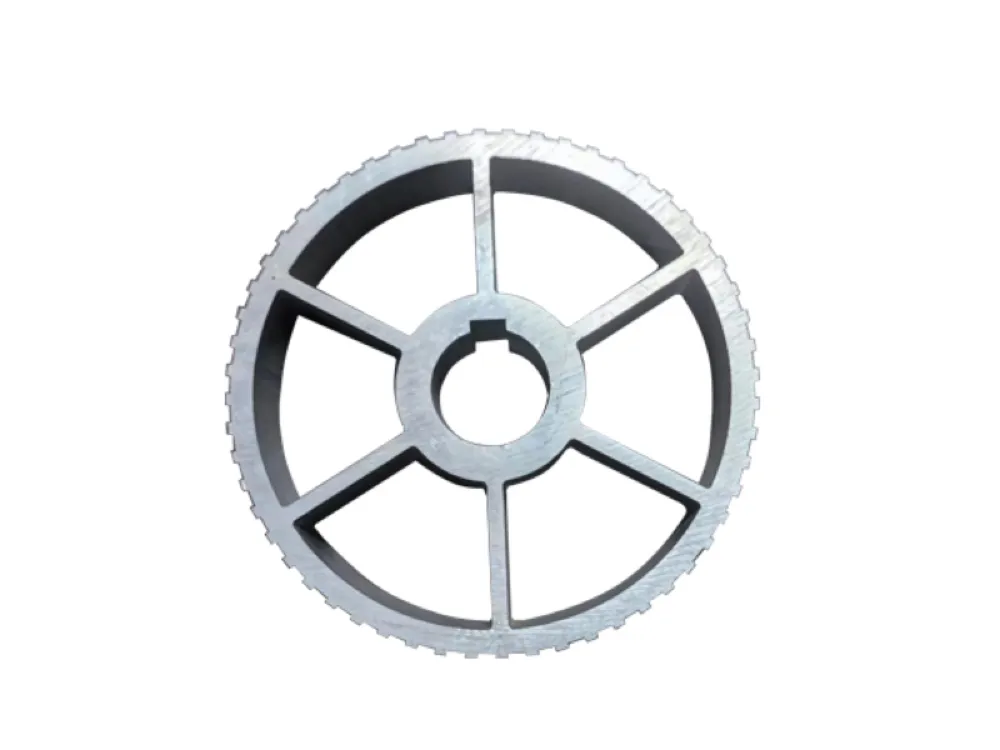
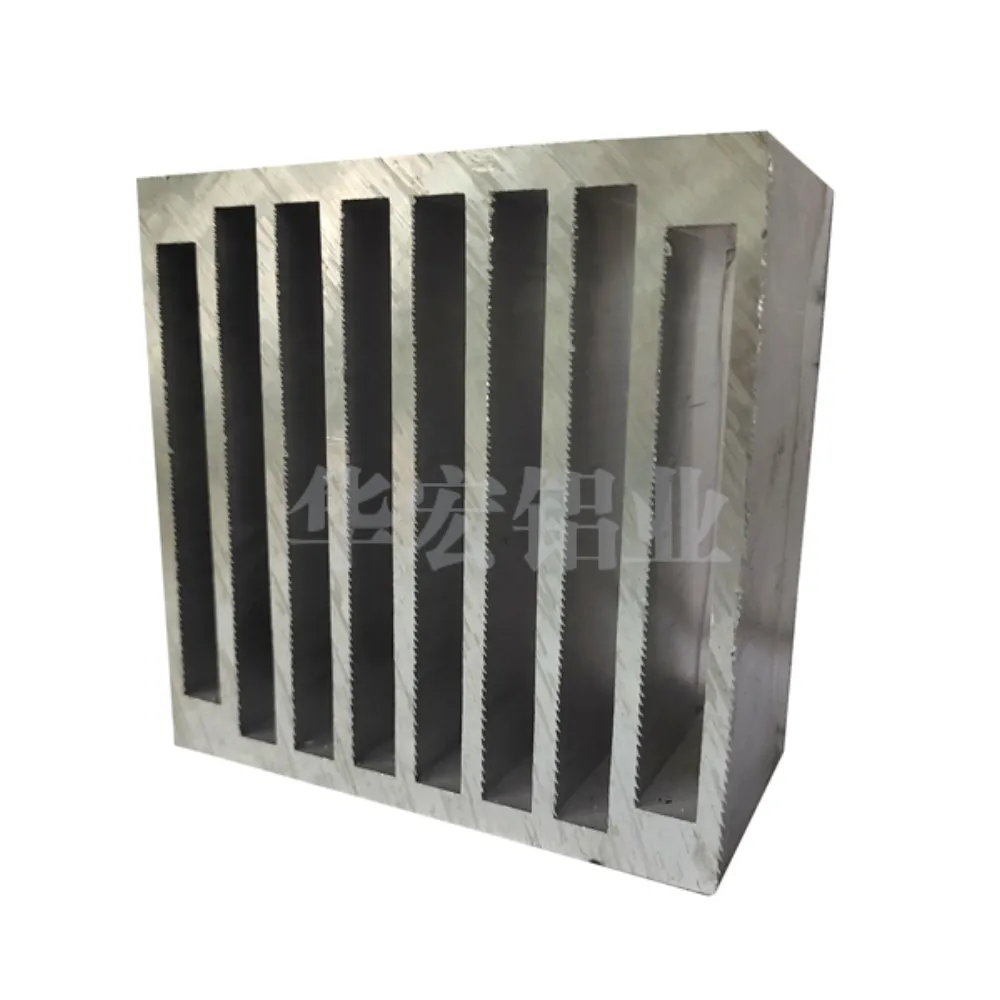
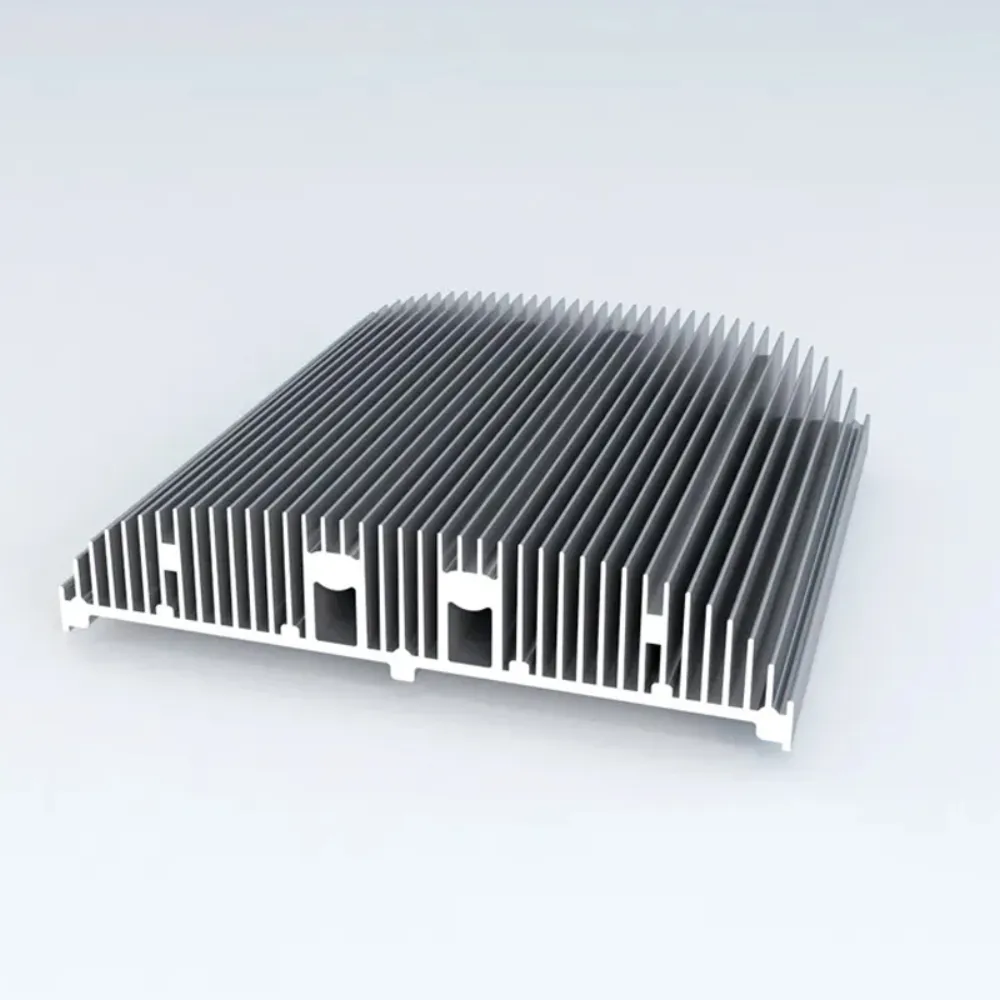
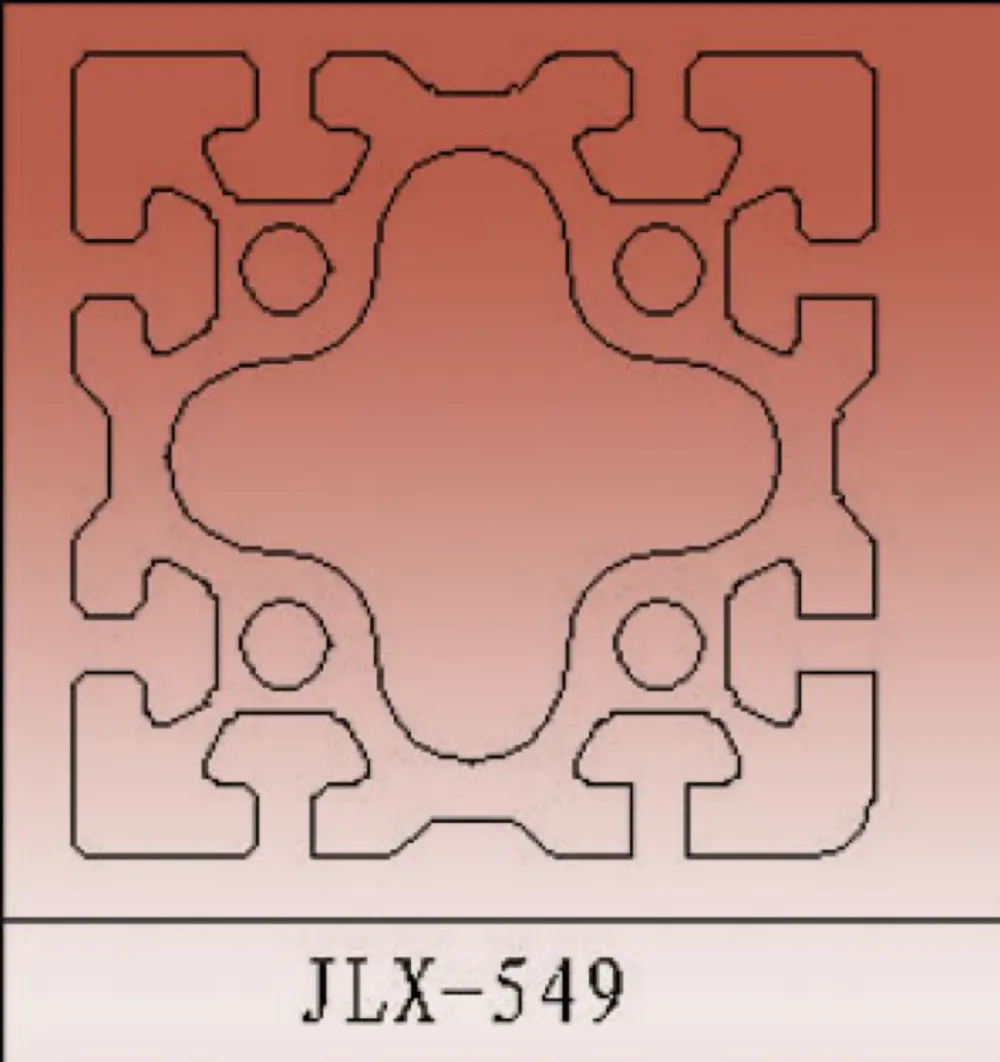
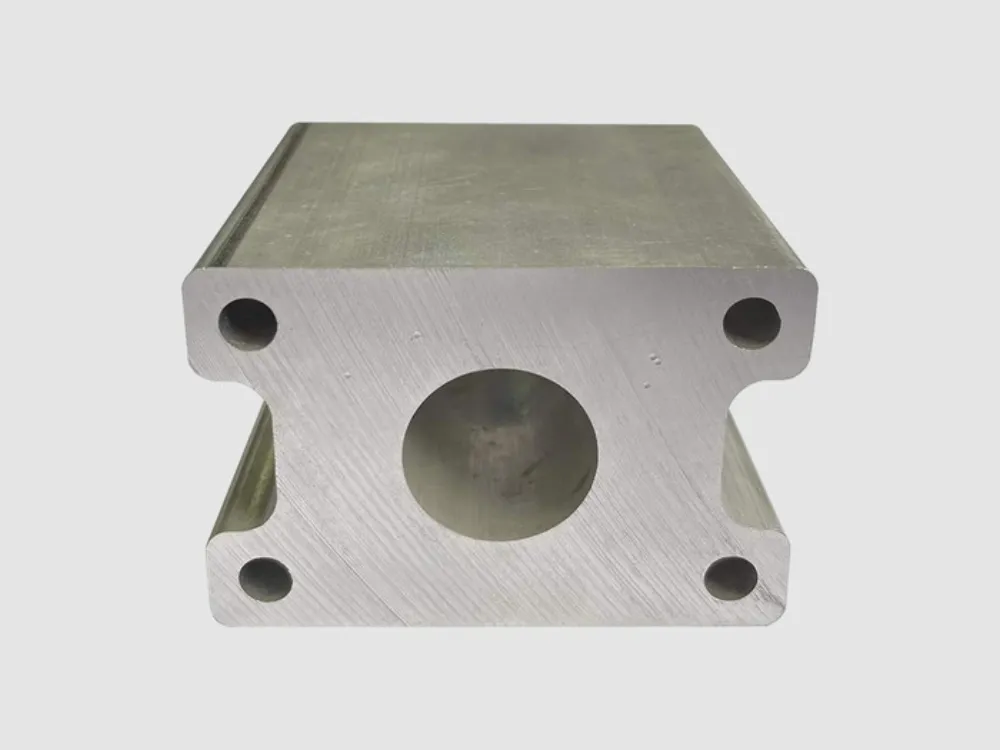
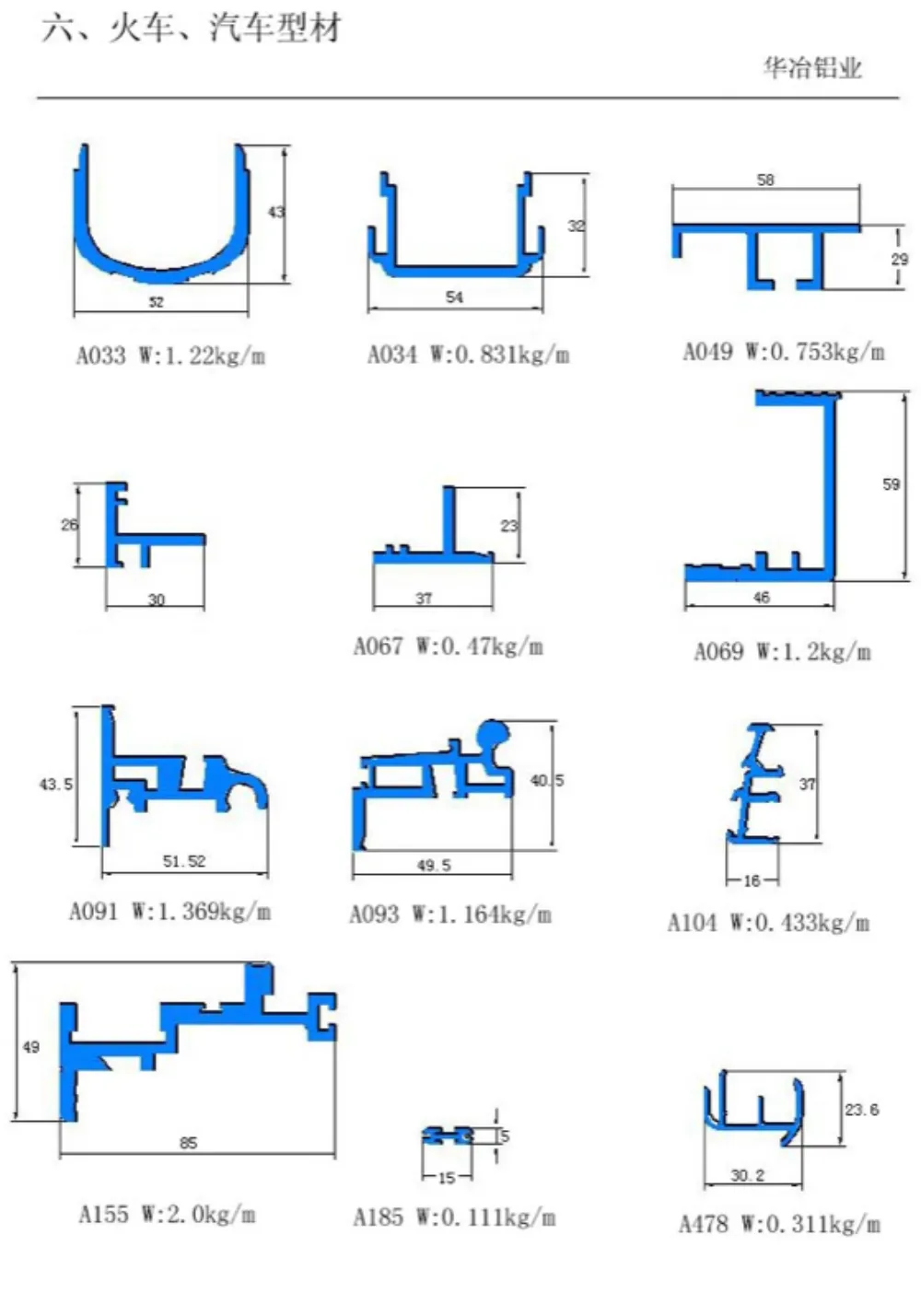
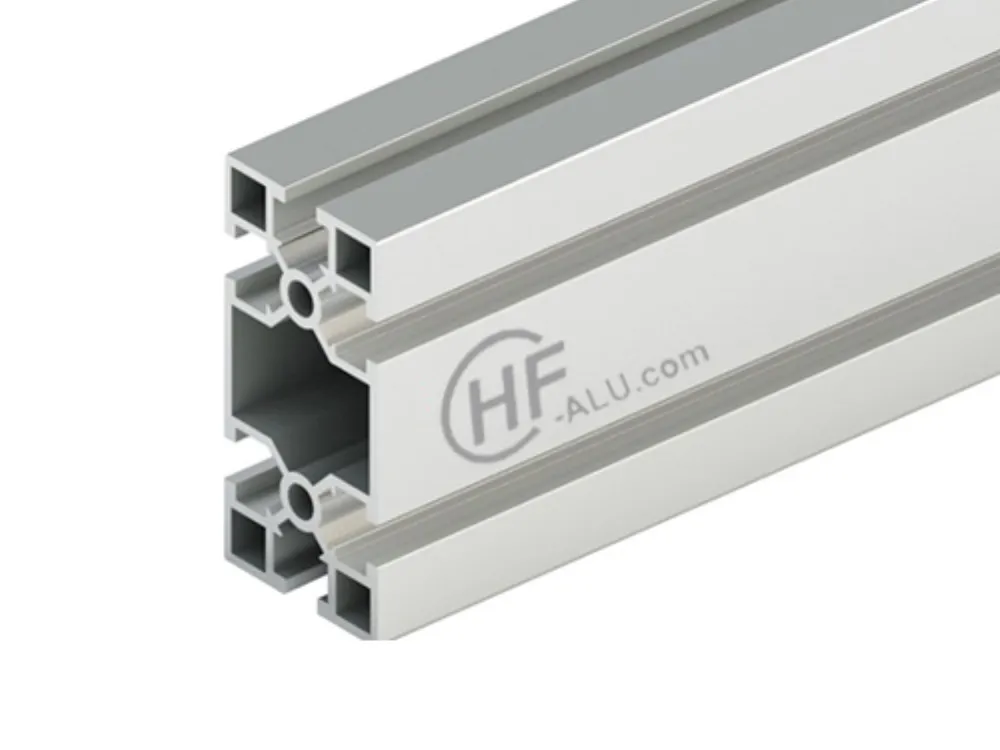
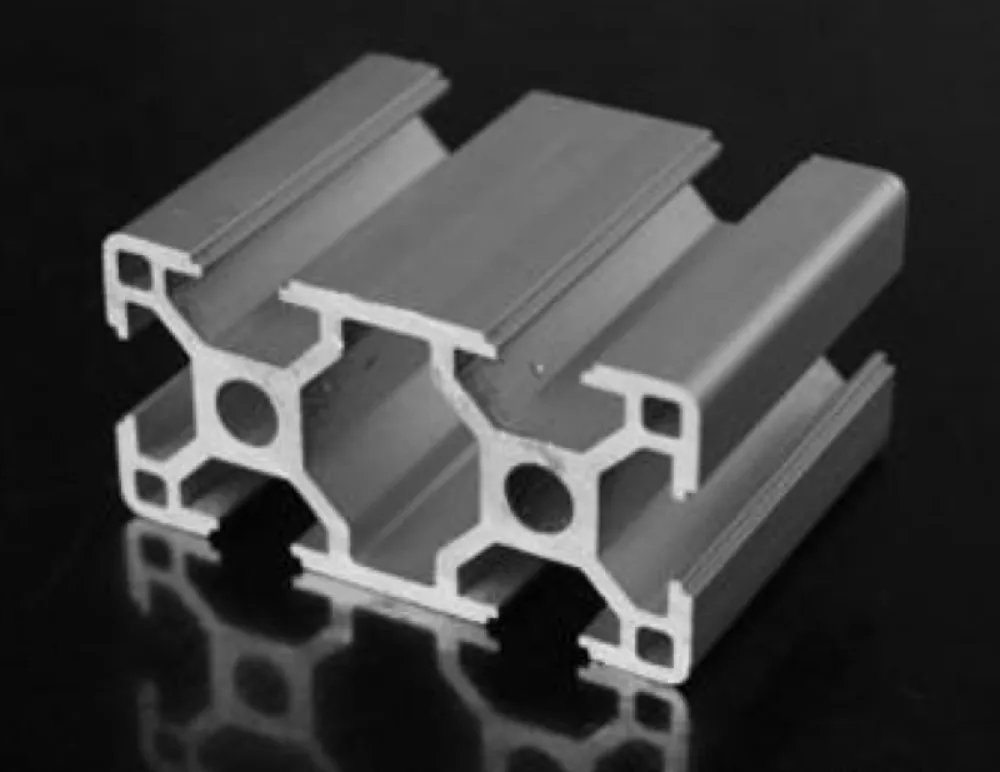
Buyers sourcing T-slot framing, heat-sink, solar-mounting, busbar or custom structural extrusions from Chinese mills.
Buyers needing architectural window/facade profiles, or a US 80/20-brand catalogue match without a drawing.
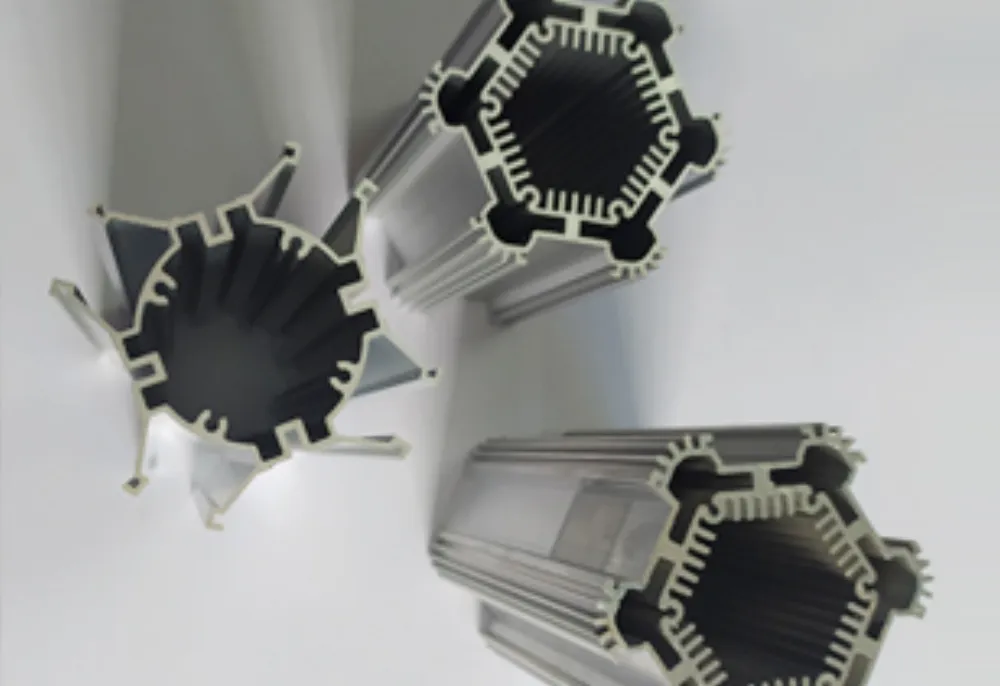
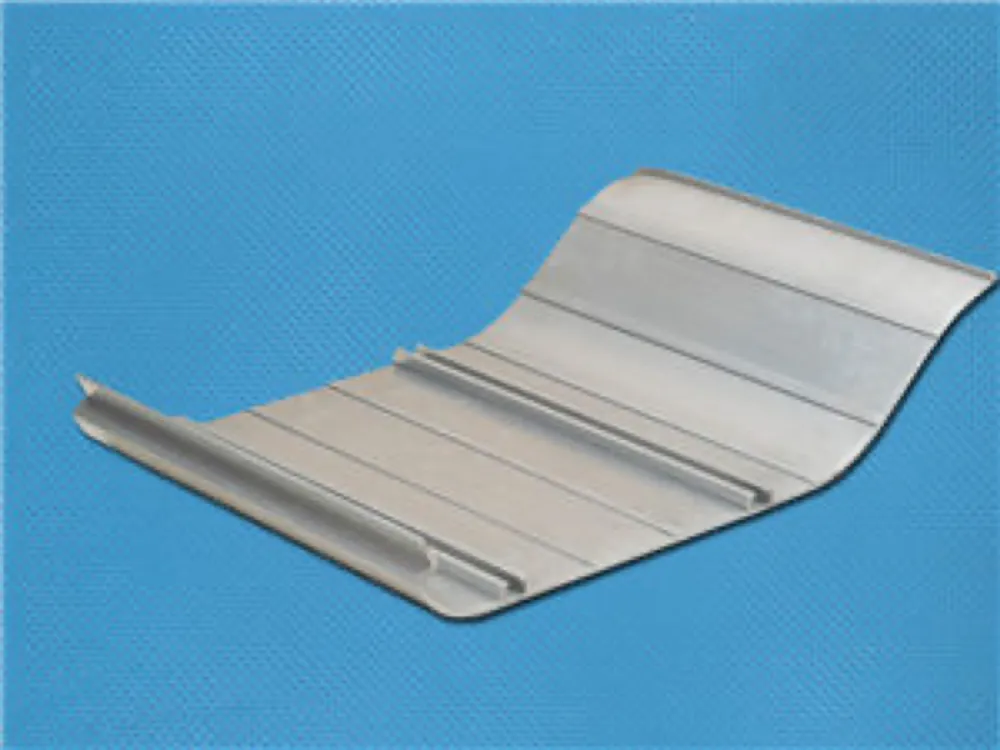
A window-profile mill, a heat-sink specialist and a T-slot framing extruder run very different die designs, press configurations and quality checks. Check the supplier's official-site product records for examples in your specific category — multi-void heat-sink fins, T-slot series sections, solar channel shapes — rather than accepting a generic 'industrial aluminum profile' claim. Ask for a same-family reference sample or die drawing before quoting.
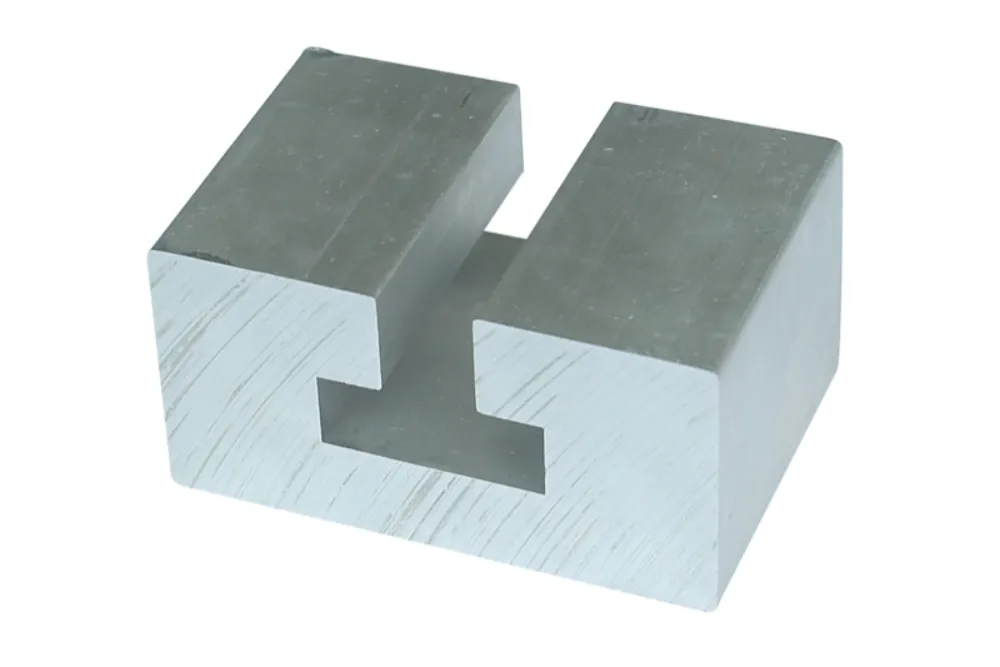
T-slot profiles are dimensioned by slot width and nut-track depth, commonly grouped into 20-, 30-, 40- and 45-series. Chinese mills can produce dimensionally compatible profiles, but exact slot width, nut-track depth and centering-hole diameter must be confirmed against your hardware. A mis-dimensioned nut groove makes the frame incompatible with your fasteners — request a dimensional drawing and a physical first-article sample, not just a catalogue image.
For structural and machined parts, temper matters as much as alloy. 6061-T6 (solution heat-treated and artificially aged) has substantially higher strength than 6061-T4 or 6061-O. Name the required temper, dimensional tolerances, flatness and any critical fit dimensions in your RFQ, and require a lot-specific mill test certificate (MTC) confirming actual mechanical properties — not a generic alloy data sheet.
Heat-sink profiles with narrow, deep fins require precision die inserts and controlled extrusion speed; not every mill that extrudes general sections can hold these tolerances. Ask whether the mill operates its own die shop, and confirm separately whether CNC cutting, drilling, tapping or anodizing is in-house — each outsourced step adds lead time and reduces visibility into quality control.
Common failure modes when sourcing industrial aluminum profiles from China. General buyer checks based on industry practice — not a claim about any specific supplier.
Mitigation: Name the exact alloy and temper in the PO and require a lot-specific mill test certificate confirming tensile strength, yield strength and elongation. Do not accept a certificate from a different lot, a generic data sheet, or a stock test report not tied to your run.
Mitigation: Supply a dimensioned reference drawing and a physical fastener/nut sample; request first-article inspection of slot width, nut-track depth and centering-hole diameter before approving mass production. Build a first-article approval step into your schedule.
Mitigation: Specify minimum fin pitch, fin height, base thickness and surface finish in the RFQ. If a thermal-resistance rating is a design input, request test data or commission a third-party thermal test before committing — a profile that looks correct dimensionally can still miss a thermal spec.
Mitigation: Confirm whether anodizing is in-house or subcontracted. Specify the coating class and thickness, require eddy-current or cross-section evidence, and keep a sealed reference sample to check repeat orders against.
Mitigation: Get a written die quotation covering tooling cost, ownership terms, die storage and estimated lead time before paying a deposit. Custom die lead time varies by complexity — confirm per order; do not base your schedule on an unconfirmed verbal estimate.
Benchmark a quote against today's mill price, then estimate the all-in landed cost to your port before you negotiate. A workable price is a pre-condition for an RFQ — not an afterthought.
You already know the product — use these to confirm a shortlisted mill can actually make what your project needs.
Use case drives the choice. 6061-T6 is the standard for structural members, machined brackets and load-bearing frames — higher strength, good machinability, weldable. 6063-T5 is preferred where complex cross-section extrudability, surface finish or anodizing quality matters more than raw strength. 6005A is a middle-ground structural alloy for floor sections and ladder profiles. Confirm alloy and temper with the mill per application.
Many can. But compatibility with a specific T-slot hardware series is not automatic — slot width, nut-track depth and centering-hole diameter must match your fastener system. Request a dimensional drawing and compare it to your hardware spec before approving production; a physical first-article sample is the reliable check.
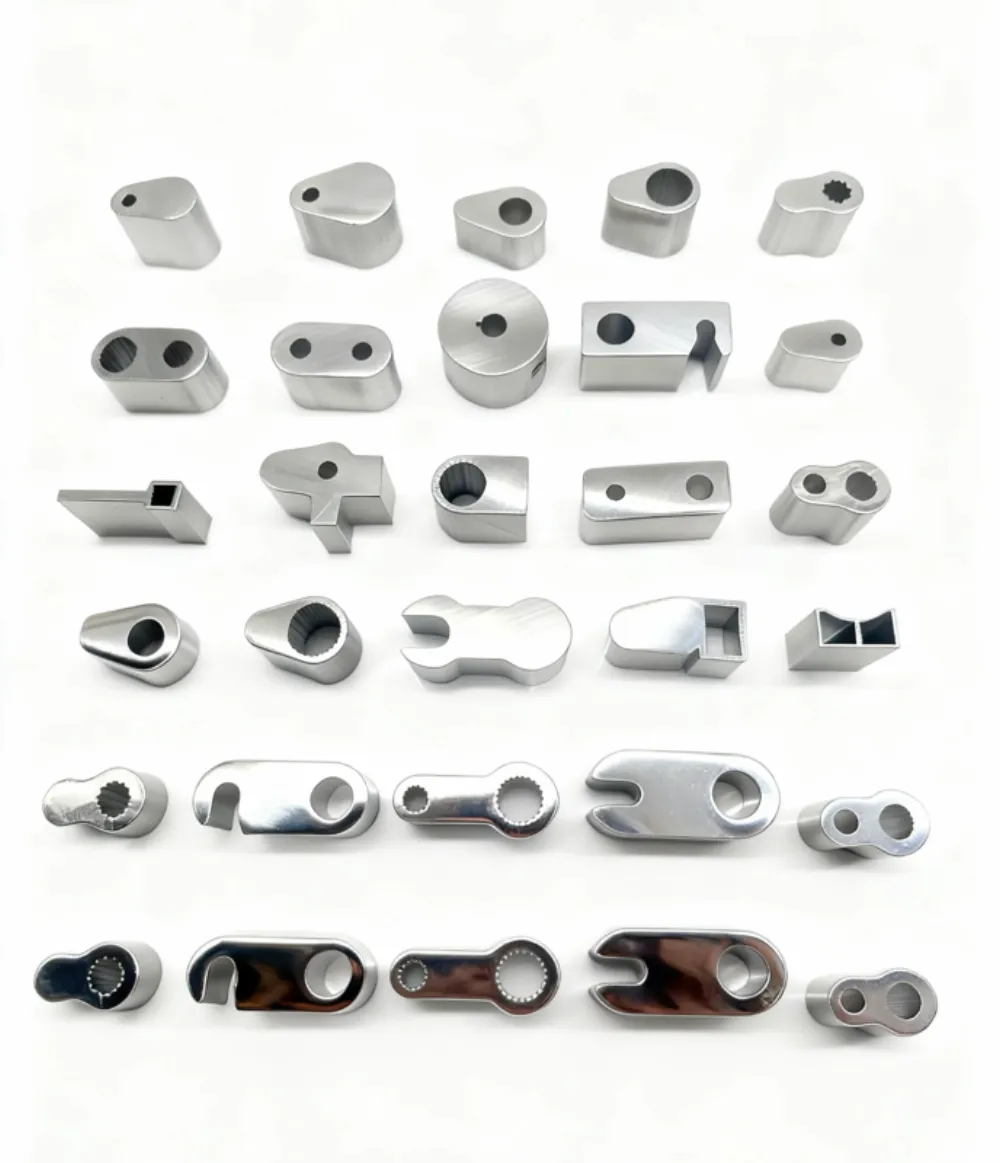
At minimum: a dimensioned cross-section drawing (DXF or PDF), alloy and temper (e.g. 6061-T6), tolerances on critical dimensions, cut length and length tolerance, surface finish (mill / anodized class / hard anodize), any machining (holes, threads, CNC cuts), estimated annual volume and packaging/labelling. A complete drawing makes quotes comparable and limits spec drift.
Standard anodize provides corrosion resistance and cosmetic consistency for exposed assemblies. Hard anodize is a much heavier, harder, more wear-resistant coating — appropriate for sliding guide rails, fixture plates and wear-exposed components. Specify the type and coating thickness in your RFQ; the two are produced on different process lines.
For sourcing: match the application to a mill's actual production line — a window-profile specialist isn't automatically a curtain-wall fabricator. Confirm the mill has produced your specific product type before.
For sourcing: ask for the mill test certificate (chemical composition + temper) for the exact alloy — a spec sheet alone isn't proof. Re-melt-heavy mills can drift out of spec batch to batch.
No surface treatment; for hidden, post-machined or downstream-coated profiles
Corrosion resistance and consistent cosmetics for exposed assemblies — confirm coating class and thickness in RFQ
Heavy, wear-resistant anodize for sliding, fixture and wear-exposed components — produced on a dedicated line
RAL colour range; common for machine-guard frames, equipment housings and colour-coded assemblies
For sourcing: finishing (anodizing, PVDF, powder-coat) is often outsourced. Confirm whether the mill coats in-house and to which film/coating-thickness standard — it drives both warranty and weathering performance.
Industry-applicable standards that govern this product type — not a certification claim for any individual mill.
For sourcing: request a project-specific test report against these standards — not a generic certificate. A standard that governs the product type is not proof a given mill's output was tested to it.
Chinese mills supply a large and diverse range of industrial aluminum extrusions — T-slot framing, heat-sink fins, solar-mounting channel, busbar profiles, machine-guard sections and custom structural members — in 6061-T6, 6063-T5, 6005A and other alloys, with in-house or sub-contracted anodizing, CNC cutting and drilling. The supply challenge is not finding a catalogue entry: it is determining whether the mill actually runs the production line your profile type requires. A heat-sink specialist with a multi-void die capability is not interchangeable with a window-profile extruder, and neither is qualified for T-slot series framing without the right tooling and dimensional discipline. Sourcing from a SAMR-registered mill rather than a trading layer gives you a verifiable identity, lot-specific mill test certificates and the ability to submit a technical drawing for die quotation. Use the supplier evidence results to compare mills and send one structured RFQ.
Send one RFQ; we review your request and can help arrange an introduction to SAMR-registered profile mills that match your alloy, finish and volume.
Request a quote →