DAILYSHFE AL0 ¥24,230 0.90%LME 3M $3,490 3.90%FBX CN→US $3,607/FEU 0.00%
No paid rankingsNo affiliatesMethodology →
Aluminum DispatchIndependent B2B intelligence
Curtain wall & facade cladding

Curtain Wall Systems & Aluminum Cladding Panels — China Supplier Evidence

Two different procurement tasks share a category: curtain-wall systems (stick or unitized, framing profiles + glass + hardware, engineered to wind and thermal load) and aluminum cladding panels (ACP/ACM composite, solid veneer, honeycomb, applied over a subframe). Use this page to split the scopes, identify what your project actually needs, and find SAMR-registered Chinese manufacturers to RFQ.

Request a quote →
This page is for

Buyers and contractors sourcing curtain-wall systems or aluminum cladding panels (ACP / veneer / honeycomb) from China.

Not for

Buyers who need only standard window/door profiles, or a finished installed facade — this is supply, not installation.

Prepare for your RFQ
  • Scope: curtain-wall system vs cladding panel
  • Shop drawings / system type (stick / unitized)
  • Fire classification + applicable standard
  • Coating (PVDF / FEVE) + thickness + warranty
  • Wind-load criteria + destination standard
  • Area (m²) / quantity + timeline

Screen China curtain wall and aluminum cladding suppliers

98 suppliers cross-checked against SAMR registry records — the 20 with the most complete evidence are below.

How this data is sourced →

Independent supplier intelligence — no paid rankings, no affiliate links. Supplier identity is cross-checked against the SAMR business registry where captured; we do not issue a 'verified' badge. Standards listed govern the product type, not a certification claim for any specific manufacturer.

What are you sourcing?
Filters
Showing 20 of 98 matched suppliers · page 1/5

Guangya Aluminium

Foshan, Guangdong · Est. 1996 · 30 yrs
Aluminum Curtain Wall System Extrusions Profiles — product evidence
Aluminum Curtain Wall System Extrusions Profiles
Registered capital
¥136M
Standards
CNAS laboratory
Export signal
Possible inferred
Capacity
300K t/yr self-published
Public-list checks (OFAC · UFLPA): no match
View evidence

Jiangyin Nanqiao Aluminum

Jiangyin, Jiangsu · Est. 1996 · 30 yrs
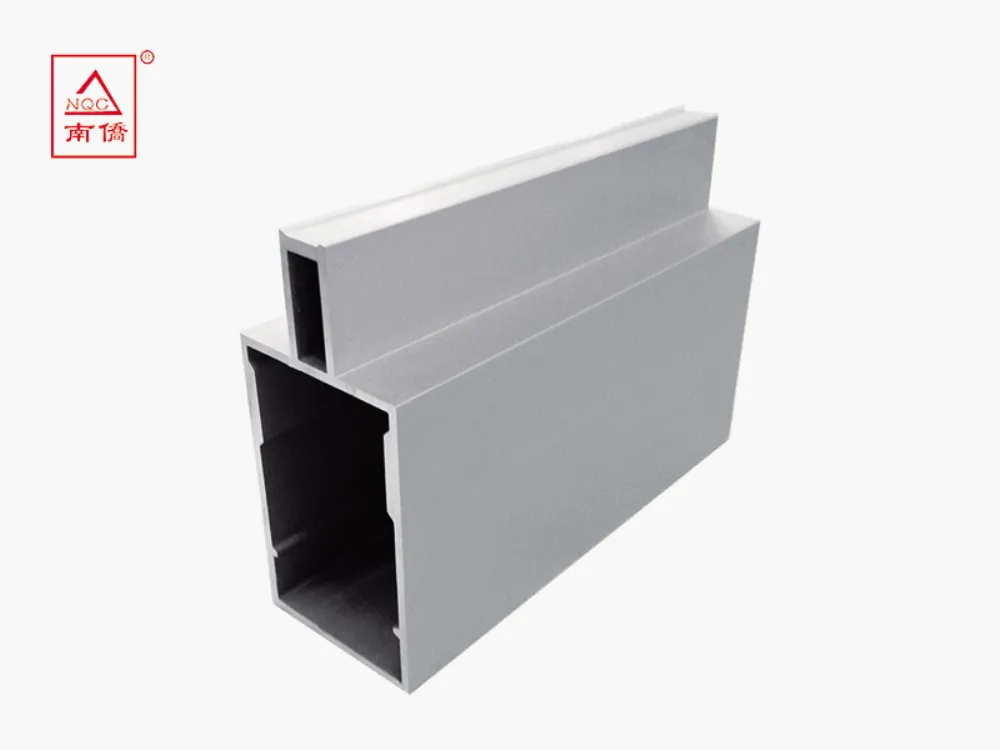
Curtain Wall Aluminum Profile — product evidence
Curtain Wall Aluminum Profile
Registered capital
¥25M
Standards
ISO 9001
Export signal
Likely inferred
Capacity
30K t/yr self-published
Public-list checks (OFAC · UFLPA): no match
View evidence

Henan Xintai Aluminum

Zhengzhou, Henan · Est. 2001 · 25 yrs
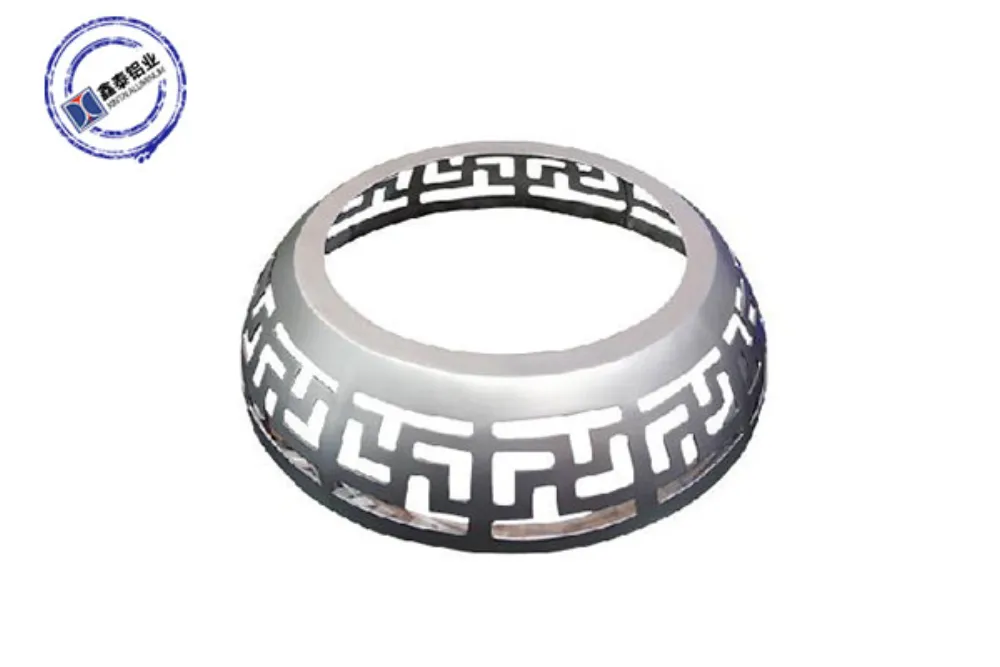
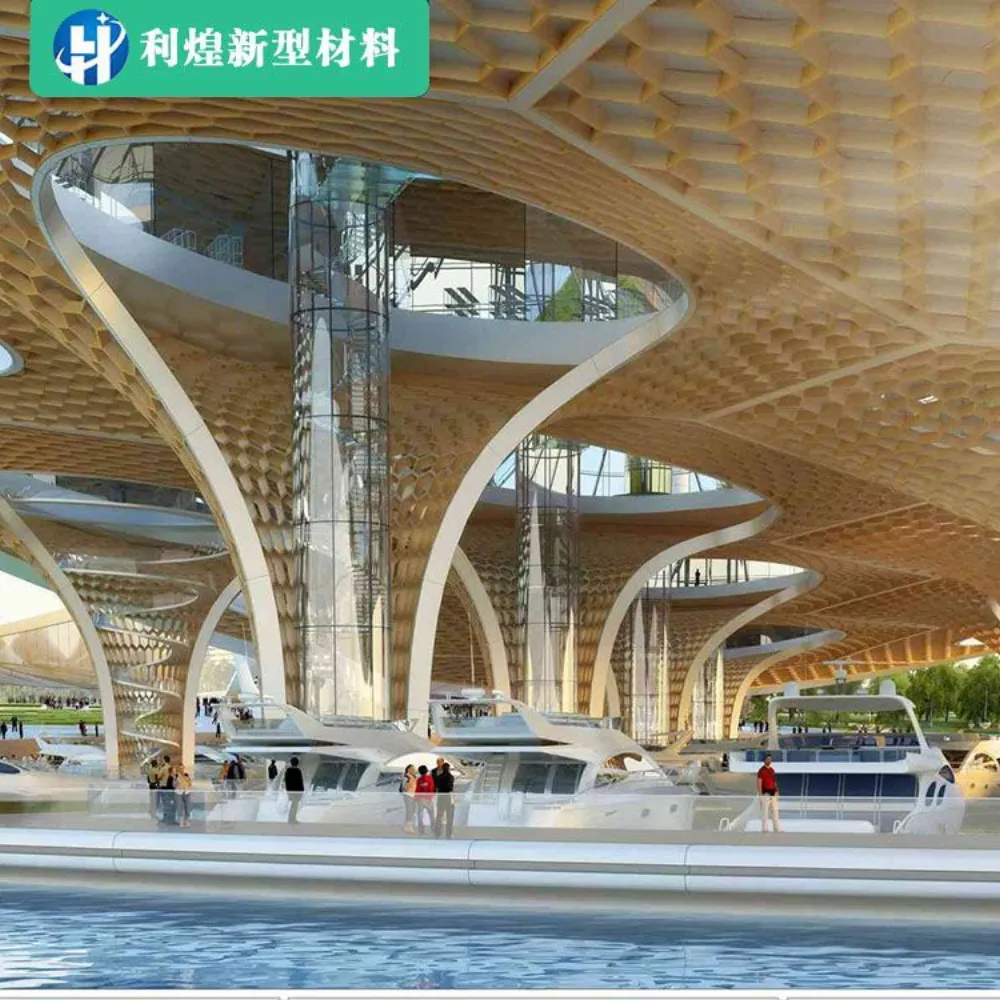
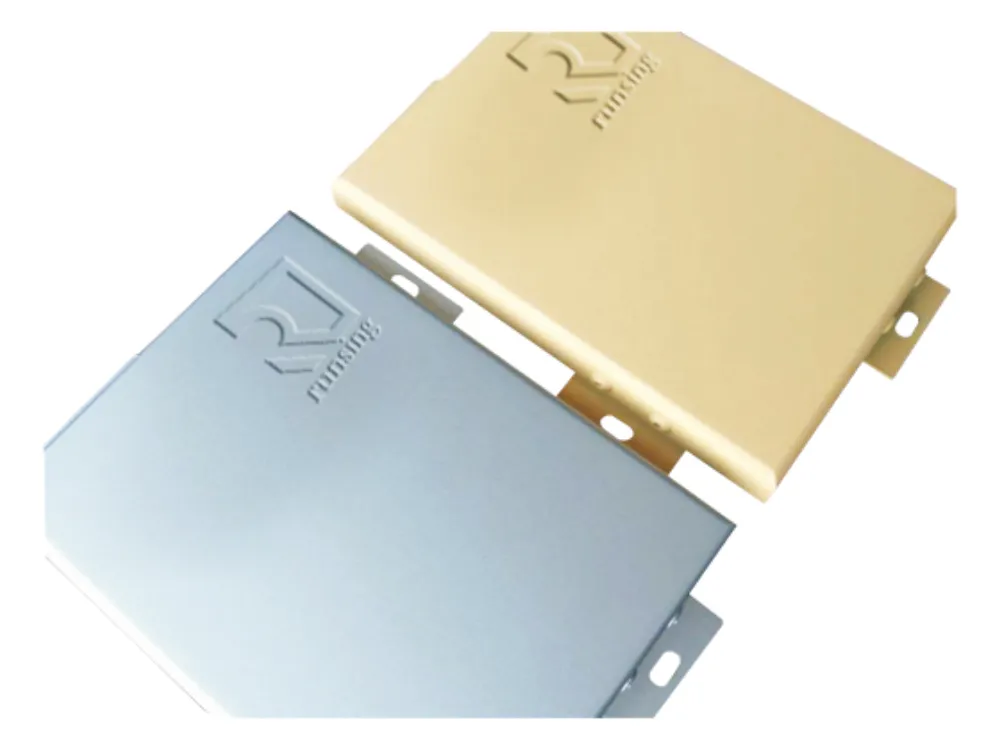
Double-curved Carved Aluminum Cladding Panel — product evidence
Double-curved Carved Aluminum Cladding Panel
Registered capital
¥120M
Standards
ISO 9001
Export signal
Capacity
Public-list checks (OFAC · UFLPA): no match
View evidence

Chengdu Hongya Aluminum

Chengdu, Sichuan · Est. 2014 · 12 yrs
Registered capital
¥6M
Standards
ISO 9001
Export signal
Capacity
Public-list checks (OFAC · UFLPA): no match
View evidence
Registered capital
Standards
ISO 9001 · ISO 14001 ×5
Export signal
Capacity
680K t/yr self-published
Public-list checks (OFAC · UFLPA): no match
View evidence

Guangdong Jianmei Aluminium (JMA)

Foshan, Guangdong · Est. 1993 · 33 yrs
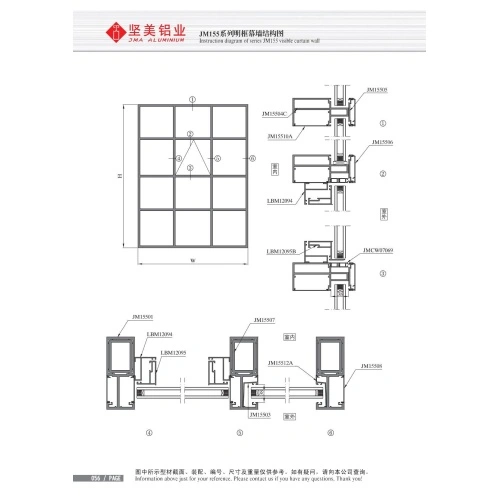
JM155 Visible Frame Aluminum Curtain Wall Profiles — product evidence
JM155 Visible Frame Aluminum Curtain Wall Profiles
Registered capital
¥306M
Standards
CNAS laboratory
Export signal
Possible inferred
Capacity
600K t/yr self-published
Public-list checks (OFAC · UFLPA): no match
View evidence

Shenyang Yuanda Aluminium Industry

Shenyang, Liaoning · Est. 1993 · 33 yrs
Registered capital
¥2.3B
Standards
CNAS laboratory ×2
Export signal
Capacity
1M t/yr self-published
Public-list checks (OFAC · UFLPA): no match
View evidence

Linyi Xingda Aluminum

Linyi, Shandong · Est. 2003 · 23 yrs
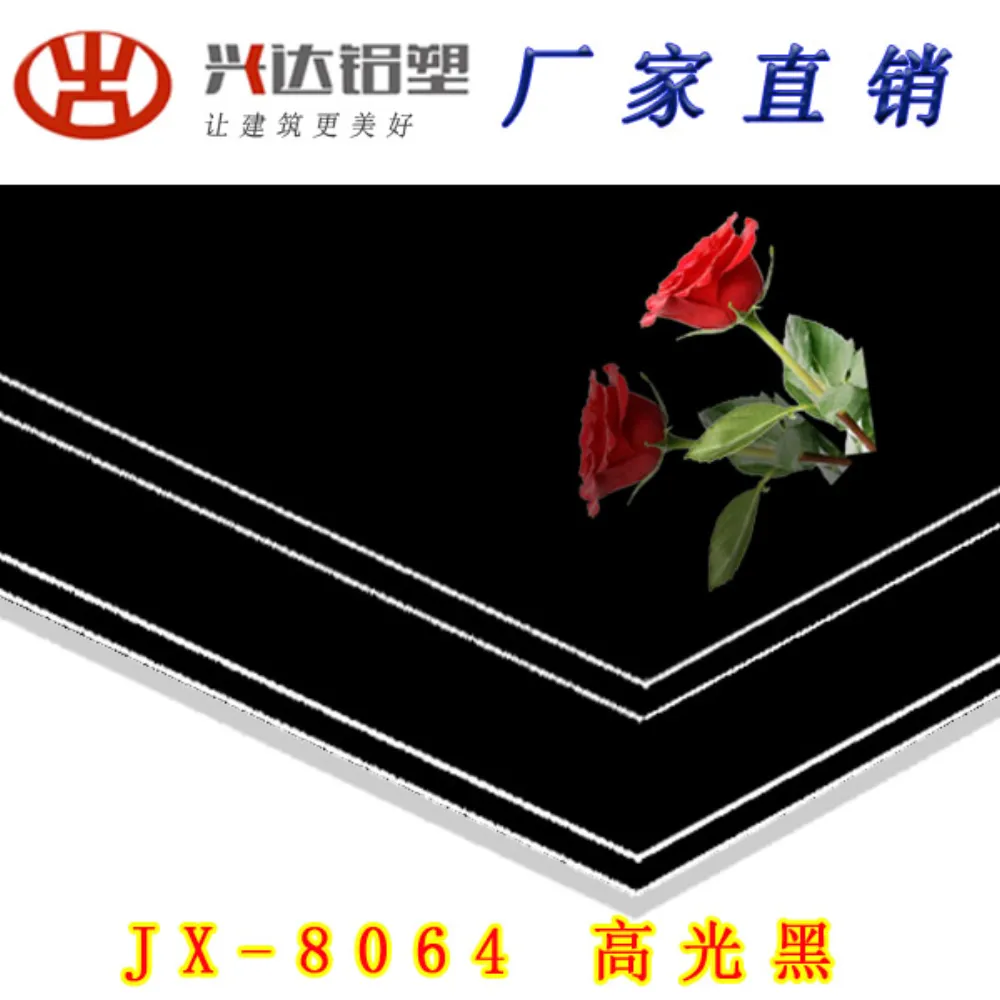
JX-8064 High-Gloss Black Aluminum Composite Panel — product evidence
JX-8064 High-Gloss Black Aluminum Composite Panel
Registered capital
¥5M
Standards
ISO 9001 · ISO 14001 ×3
Export signal
Capacity
Public-list checks (OFAC · UFLPA): no match
View evidence

Minfa Aluminum

Zhangzhou, Fujian · Est. 1992 · 34 yrs
Registered capital
¥939M
Standards
GB/T 5237 · GB/T 28289
Export signal
Capacity
Public-list checks (OFAC · UFLPA): no match
View evidence

Zhongya Aluminium

Zhaoqing, Guangdong · Est. 2005 · 21 yrs
Registered capital
¥358M
Standards
ISO 9001 · CE ×3
Export signal
Capacity
Public-list checks (OFAC · UFLPA): no match
View evidence

Shaanxi Reinobel Aluminum

Mei, Shaanxi · Est. 2013 · 13 yrs
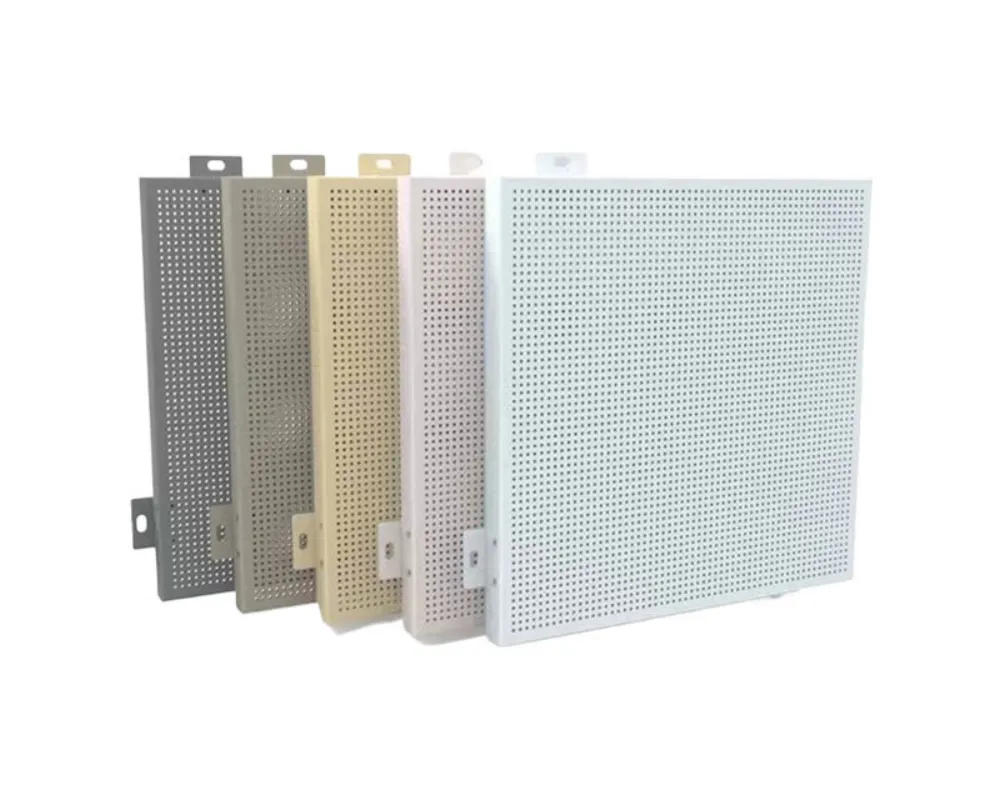
Perforated Aluminum Single Panel — product evidence
Perforated Aluminum Single Panel
Registered capital
¥30M
Standards
ISO 9001
Export signal
Capacity
Public-list checks (OFAC · UFLPA): no match
View evidence

Guangdong Fal Far East Aluminum

Foshan, Guangdong · Est. 2005 · 21 yrs
Aluminum Corrugated Panel — product evidence
Aluminum Corrugated Panel
Registered capital
¥20M
Standards
ISO 9001
Export signal
Capacity
Public-list checks (OFAC · UFLPA): no match
View evidence

Guangdong Yanlu Aluminum

Guangning, Guangdong · Est. 2010 · 16 yrs
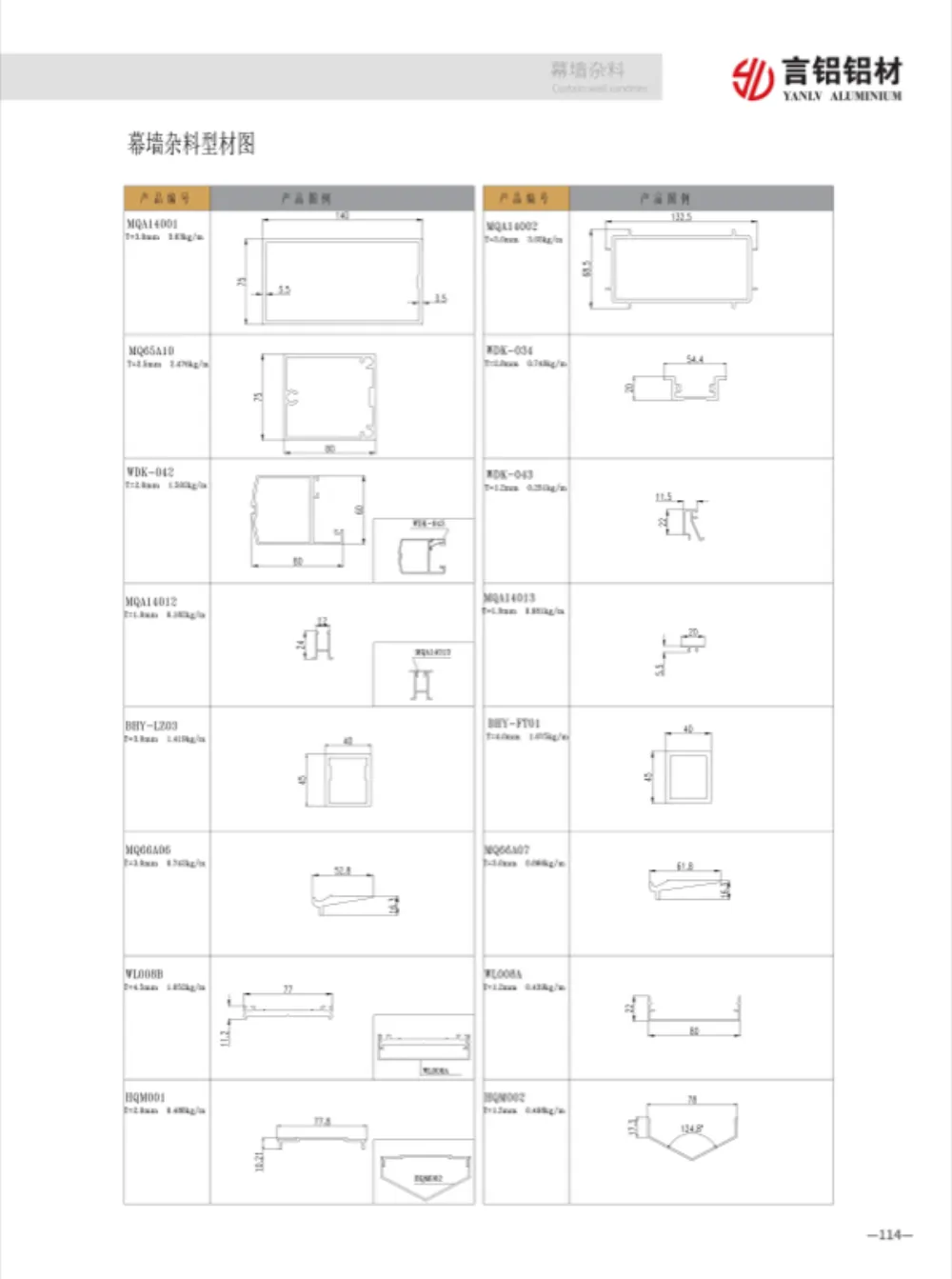
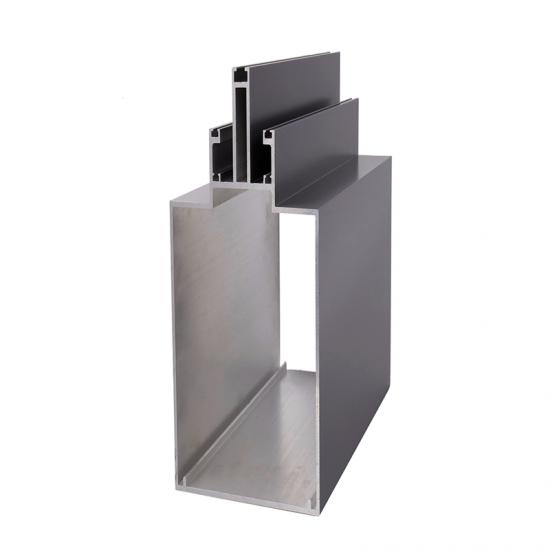
Curtain Wall Miscellaneous Profiles — product evidence
Curtain Wall Miscellaneous Profiles
Registered capital
¥34M
Standards
ISO 9001 · ISO 14001
Export signal
Capacity
Public-list checks (OFAC · UFLPA): no match
View evidence

Peace Aluminum

Langfang, Hebei · Est. 2013 · 13 yrs
Registered capital
¥200M
Standards
ISO 9001 · ISO 14001 ×5
Export signal
Capacity
300K t/yr self-published
Public-list checks (OFAC · UFLPA): no match
View evidence

Henan Lihuan New Materials

Wuzhi, Henan · Est. 2016 · 10 yrs
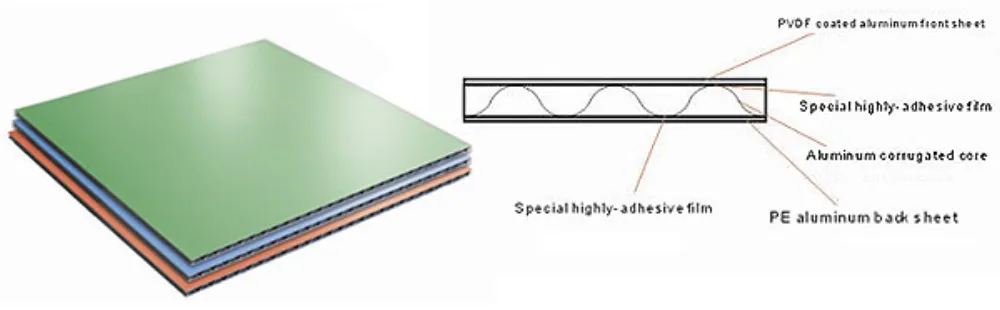
Aluminum Composite Honeycomb Panel (2) — product evidence
Aluminum Composite Honeycomb Panel (2)
Registered capital
¥50M
Standards
ISO 9001
Export signal
Capacity
Public-list checks (OFAC · UFLPA): no match
View evidence

Jiangsu Beike Aluminum

Hai'an, Jiangsu · Est. 2018 · 8 yrs
Aluminum Single Panel — product evidence
Aluminum Single Panel
Registered capital
¥10M
Standards
ISO 9001
Export signal
Capacity
Public-list checks (OFAC · UFLPA): no match
View evidence

Nanjing Nage Aluminum

Nanjing, Jiangsu · Est. 2016 · 10 yrs
Square Column Cladding Panel — product evidence
Square Column Cladding Panel
Registered capital
¥50M
Standards
CE
Export signal
Capacity
Public-list checks (OFAC · UFLPA): no match
View evidence

Shandong Jianmei Aluminum

Weifang, Shandong · Est. 2002 · 24 yrs
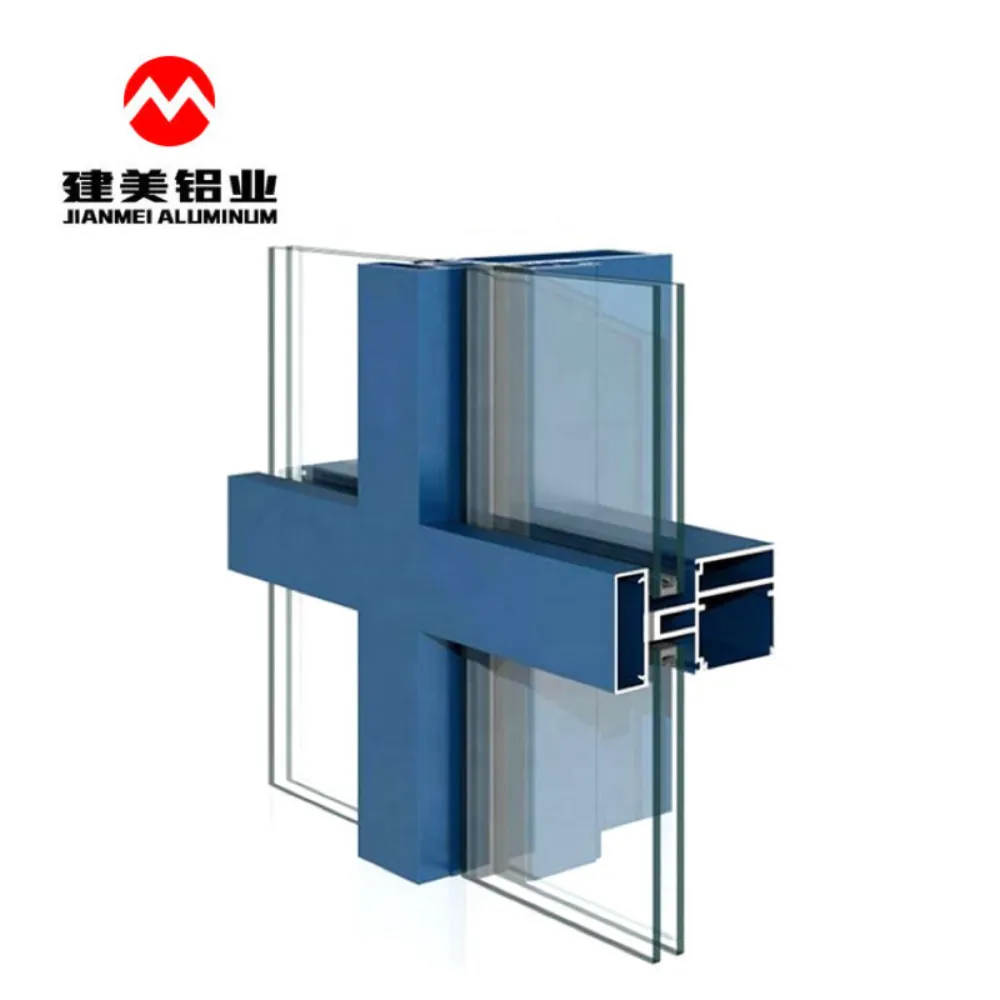
Glass Curtain Wall Frame Profile — product evidence
Glass Curtain Wall Frame Profile
Registered capital
¥52M
Standards
ISO 9001 · ISO 14001 ×3
Export signal
Capacity
120K t/yr self-published
Public-list checks (OFAC · UFLPA): no match
View evidence

Anxin Aluminum Group Co., Ltd.

Chengdu, Sichuan · Est. 2006 · 20 yrs
Registered capital
¥128M
Standards
ISO 14001 · ISO 9001
Export signal
Capacity
Public-list checks (OFAC · UFLPA): no match
View evidence
Main origin
Guangdong / Shandong
China facade manufacturing hubs
Framing alloy
6063-T5
extruded curtain-wall profiles
Panel alloy
3003 / 5005
ACP skins & solid veneer sheet
Identity
SAMR / USCC
cross-checked in public registry
Citable facts
  • As of 2026-05-22, 98 Chinese curtain-wall & cladding suppliers meet this page's evidence bar — at least 3 verified official-site product records each (source: SAMR business registry + official-site product collection).
  • 91 of those 98 suppliers (93%) carry a public SAMR/USCC business-registry identity anchor; the remainder have official-site product evidence but no registry match on file.
  • 961 individual product records have been collected and verified from the official websites of those 98 suppliers, as of 2026-05-22.
Choosing a supplier

How to choose a curtain wall or cladding supplier in China

  1. 01

    Split system fabricator from panel maker before you shortlist

    A curtain-wall fabricator assembles extruded framing profiles, glass, structural sealant, hardware and gaskets into an engineered facade system — stick-built (assembled on-site) or unitized (pre-assembled cassettes). A cladding panel maker produces flat or folded aluminium panels — ACP, solid veneer, honeycomb — for dry-cladding or rain-screen fixing onto a separate subframe. These are different production lines and different scopes of supply. Confirm what your project actually needs before shortlisting; a panel mill is not automatically a system fabricator and vice versa.

  2. 02

    Confirm shop-drawing and engineering depth

    A project-grade curtain-wall order requires the fabricator to work from — or produce — shop drawings, coordinate with the structural and glazing engineer, verify wind-load and thermal performance for your zone, and test the system to the applicable facade standard (e.g. EN 13830 in the EU; local equivalents elsewhere). Ask specifically: does the manufacturer produce shop drawings in-house, or do you supply fabrication drawings? Does their system have a test report under the standard your specification requires?

  3. 03

    Verify fire classification for the exact panel and core ordered

    For cladding panels, fire-class requirements are strict and specific to the actual core material. A non-combustible mineral core can achieve A2 (non-combustible) under EN 13501 or equivalent; a standard polyethylene (PE) core will not, and a fire-retardant (FR) core sits in between. A passing report on a different SKU or core grade does not cover your project — always request the fire-classification test report for the exact core and coating combination you are ordering.

  4. 04

    Specify coating type, dry-film thickness and warranty

    PVDF (Kynar-grade, minimum 70% PVDF resin) is the industry standard for exterior longevity — applied in a primer-plus-top-coat system with a specified dry-film thickness (DFT). FEVE is a comparable fluoropolymer alternative. Ask for DFT inspection records and a coating warranty from the coating manufacturer, not just a verbal commitment from the panel mill. Powder coat suits interiors but is not the standard for commercial exterior facade exposure.

  5. 05

    Define the glass, hardware and gasket scope in writing

    For a curtain-wall system, the boundary of supply is rarely self-evident: does the manufacturer's scope include glass panels, structural silicone, back-up rod, anchor brackets and thermal-break strips, or only the aluminium framing extrusions? Partial scope is common and creates accountability gaps when problems arise. Define every element in the RFQ and confirm it in the proforma invoice before ordering.

Sourcing risk

Curtain wall & cladding sourcing risks (and how to mitigate them)

Common failure modes when sourcing facade systems and panels from China, with the mitigations buyers typically use. General industry practice — not a claim about any specific manufacturer.

Fire-class non-compliance discovered on-site or at inspection

Mitigation: State the required fire classification and applicable standard (e.g. EN 13501 class A2-s1,d0, or local equivalent) in the RFQ and PO. Request the test report for the exact core-and-coating combination ordered, not a generic certificate covering a different product. Re-test locally on arrival if the destination authority requires it.

Panel flatness and colour inconsistency across production lots

Mitigation: Approve a physical production sample before the run starts; specify tolerance for bow, wave, colour delta-E and gloss level in writing. Require pre-shipment inspection by a third party (SGS, Bureau Veritas or equivalent) and keep a sealed reference panel from the approved sample for comparison on later deliveries.

System performance shortfall on air, water or wind-load testing

Mitigation: Request project-specific performance test reports for air permeability, water tightness and wind resistance. A catalogue report from a different system configuration or smaller test specimen is not evidence for your project. If no applicable test exists, require the manufacturer to test or accept the risk clause in writing.

Coating degradation and no warranty recourse

Mitigation: Specify coating system (PVDF / FEVE), resin percentage, minimum DFT, gloss-retention target and warranty duration in the order. Obtain the coating warranty letter from the paint manufacturer — not just from the panel mill — and confirm it is transferable to the project owner.

Supplier identity fraud or trading-agent misrepresentation

Mitigation: Cross-check the manufacturer's SAMR/USCC registration and confirm the Chinese legal entity you are paying matches the registered business scope (look for 'manufacture' or 'production', not only 'sales' or 'trade'). Use staged payments (deposit, balance against pre-shipment inspection or B-L), and consider a third-party factory inspection for large-value facade orders.

Price signal

Is the price right? Check before you commit

Benchmark a quote against today's mill price, then estimate the all-in landed cost to your port before you negotiate. A workable price is a pre-condition for an RFQ — not an afterthought.

Today's aluminum price →Landed-cost estimator →
Product fit

Matching the right mill

You already know the product — use these to confirm a shortlisted mill can actually make what your project needs.

What is the difference between curtain wall and aluminum cladding?

Curtain wall is a complete facade SYSTEM: extruded aluminium framing, glass infill, structural silicone, hardware, gaskets and thermal breaks — engineered as an assembly to carry wind load and provide weather resistance. Aluminum cladding is PANELS (ACP composite, solid veneer, honeycomb) fixed to an independent subframe or backing structure. They share some materials and suppliers but involve different scope, engineering and compliance.

What alloys are used for curtain-wall framing vs cladding panels?

Curtain-wall framing members are extruded in 6063-T5 (extrudable, anodizable, corrosion-resistant). Cladding panel skins are roll-formed from 3003 or 5005 series sheet — thin-gauge, not extrusion. Confirm alloy, temper and wall/sheet thickness per the mill test certificate for your order; don't rely on catalogue specs.

What exterior coating should I specify for cladding panels from China?

PVDF (minimum 70% Kynar resin, primer + top-coat system) is the standard for commercial exterior facade longevity. Ask for dry-film thickness (DFT) records and a warranty letter from the coating manufacturer. FEVE is an acceptable alternative. Powder coat is not the standard specification for sustained exterior facade exposure on commercial projects.

Applications

Where these systems and panels are used

Stick-built curtain wall systems (site-assembled framing)Unitized curtain wall (factory pre-assembled cassettes)ACP / ACM composite facade panelsSolid aluminium veneer panels (2–4 mm folded sheet)Honeycomb aluminium panelsRain-screen cladding and dry-fixing systemsSun-shading louvres and aluminium blade screens

For sourcing: match the application to a mill's actual production line — a window-profile specialist isn't automatically a curtain-wall fabricator. Confirm the mill has produced your specific product type before.

Alloys & temper

Common alloys

6063-T5Extruded framing profiles for curtain-wall systems — extrudable, anodizable, corrosion-resistant; the architectural standard
3003Most common alloy for ACP composite panel skins — good formability and corrosion resistance
5005Common for solid aluminium veneer where anodized finish quality and colour uniformity matter

For sourcing: ask for the mill test certificate (chemical composition + temper) for the exact alloy — a spec sheet alone isn't proof. Re-melt-heavy mills can drift out of spec batch to batch.

Surface finishes

Finishes

PVDF (Kynar)

Primary exterior facade coating — 15+ year weathering grade; specify 70% minimum resin content and dry-film thickness

FEVE

Alternative fluoropolymer with exterior durability similar to PVDF — acceptable in most facade specifications

Anodized

Used on extruded curtain-wall framing — natural silver, bronze or black; not typical for flat panel finish

Powder-coat

Suitable for interior cladding or sheltered facades; not the standard for commercial exterior facade exposure

For sourcing: finishing (anodizing, PVDF, powder-coat) is often outsourced. Confirm whether the mill coats in-house and to which film/coating-thickness standard — it drives both warranty and weathering performance.

Applicable standards

Governing standards

Industry-applicable standards that govern this product type — not a certification claim for any individual mill.

GB/T 21086
Chinese national standard for building curtain-wall systems (JGJ 102 is the companion design code for glass curtain walls)
GB/T 23443
Aluminium veneer panels for building decoration — thickness, coating, flatness, fold radius
GB/T 17748
Aluminium composite panels (ACP/ACM) — core type, peel strength, flatness and bending resistance
GB/T 5237
Extruded aluminium profile standard — applies to curtain-wall framing members
EN 13830
European curtain-wall system performance standard — ask for test reports if your destination project requires CE-compliant facade performance

For sourcing: request a project-specific test report against these standards — not a generic certificate. A standard that governs the product type is not proof a given mill's output was tested to it.

Sourcing from China

Why source curtain wall systems and cladding panels from China

Chinese manufacturers export a large share of the world's aluminium facade products — both curtain-wall framing systems (stick-built site-assembled and unitized pre-assembled cassettes) and finished cladding panels (ACP composite, solid aluminium veneer, honeycomb). Framing profiles are extruded in 6063-T5 to GB/T 5237; panel sheet runs in 3003 or 5005 alloy to GB/T 23443 (veneer) or GB/T 17748 (ACP). Export-grade factories fabricate to your shop drawings, offer PVDF or FEVE exterior coatings, and can supply fire-classification test reports for specific core and coating combinations on request. Sourcing direct from a SAMR-registered manufacturer gives you a verifiable factory identity, project test data, and a direct negotiation channel for engineering scope, coating system and fire class. Use the supplier shortlist to compare manufacturers and send one structured RFQ.

FAQ

Sourcing questions

What is the difference between aluminium veneer and ACP?
Aluminium veneer is a single solid aluminium sheet (typically 2–4 mm) folded and stiffened into a finished panel. ACP (aluminium composite panel) is two thin aluminium skins (typically 0.3–0.5 mm) bonded to a core — PE, FR or mineral. Veneer is heavier, stiffer and fire-class-favourable; ACP is lighter and cheaper. The core's fire behaviour determines compliance in most markets — confirm fire class against your destination code before specifying.
Can Chinese manufacturers meet our local facade fire code?
Export-grade factories can supply A2-core and mineral-core panels with fire-classification test reports. The right question is whether the specific product — the exact core and coating you are ordering — carries a test report under the standard your project requires (e.g. EN 13501-1 in the EU, or the local equivalent). Always request that specific test report in your RFQ, not a generic certificate for a different panel.
What should a curtain wall or cladding RFQ include?
Include: shop or reference drawings; system type (stick / unitized / panel-only); panel type (ACP, veneer, honeycomb, or framing-only); required fire classification and applicable standard; coating system (PVDF / FEVE / other), colour and finish; panel or profile thickness; wind-load design criteria; destination country and standard; quantity (m² or linear metres); inspection requirements; and project timeline. MOQ, lead time and price are confirmed by the supplier for the actual project — they are not published here.
Is unitized curtain wall better than stick-built?
Unitized systems (factory pre-assembled cassettes) allow faster site installation and better factory quality control, but require higher fabrication investment and close coordination between manufacturer, contractor and schedule. Stick-built is more flexible for complex geometry, smaller quantities and tighter budgets. Both are widely sourced from China — choose based on project scale, site programme and contractor capability, not a general preference.
What standards govern Chinese curtain wall and cladding products?
GB/T 21086 is the national standard for building curtain-wall systems; JGJ 102 is the companion design code for glass curtain walls. For panels: GB/T 17748 covers ACP and GB/T 23443 covers aluminium veneer. If your destination requires EN 13830 (European curtain-wall performance standard) or another code, ask the manufacturer whether their system has been tested to it and request the report.
Can this page confirm MOQ, price or lead time?
No. For curtain wall and cladding these figures are highly project-specific — they depend on panel size, quantity, coating, fire class, system complexity and port of delivery. Use the supplier evidence results to narrow candidates, then confirm all commercial and schedule terms through a structured RFQ.
Sourcing

Get curtain wall & cladding quotes from shortlisted manufacturers

Send one RFQ; we review your request and can help arrange an introduction to SAMR-registered curtain-wall and cladding manufacturers that match your system type, coating and volume.

Request a quote →