Shanghai Jixiang Classic Aluminum Composite Material Co., Ltd.
Shanghai · Est. 2006 · 20 yrs
No product photo on file
- Registered capital
- ¥31M
- Standards
- ISO 14001 · ISO 9001
- Export signal
- —
Two different procurement tasks share a category: curtain-wall systems (stick or unitized, framing profiles + glass + hardware, engineered to wind and thermal load) and aluminum cladding panels (ACP/ACM composite, solid veneer, honeycomb, applied over a subframe). Use this page to split the scopes, identify what your project actually needs, and find SAMR-registered Chinese manufacturers to RFQ.
Buyers and contractors sourcing curtain-wall systems or aluminum cladding panels (ACP / veneer / honeycomb) from China.
Buyers who need only standard window/door profiles, or a finished installed facade — this is supply, not installation.
98 suppliers match this requirement — the 20 with the most evidence on file are below.
How this data is sourced →Independent supplier intelligence — no paid rankings, no affiliate links. Where a unified social credit code is on file, it was transcribed from public registry records and the mill's own site; we do not verify those numbers and do not issue a 'verified' badge. Standards listed govern the product type, not a certification claim for any specific manufacturer.
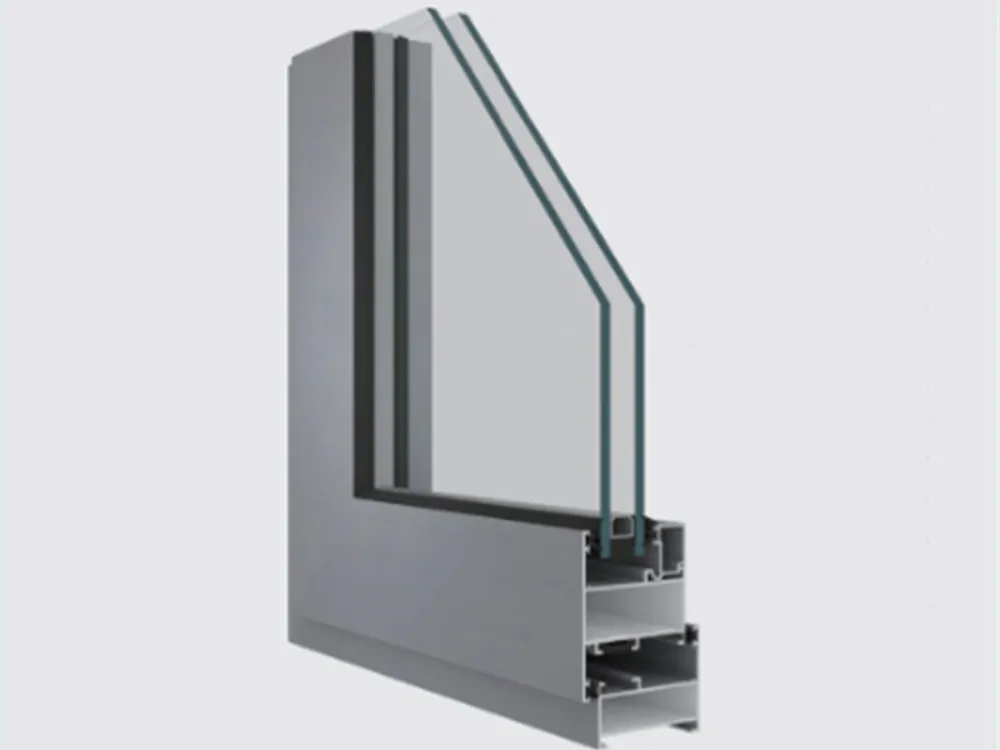
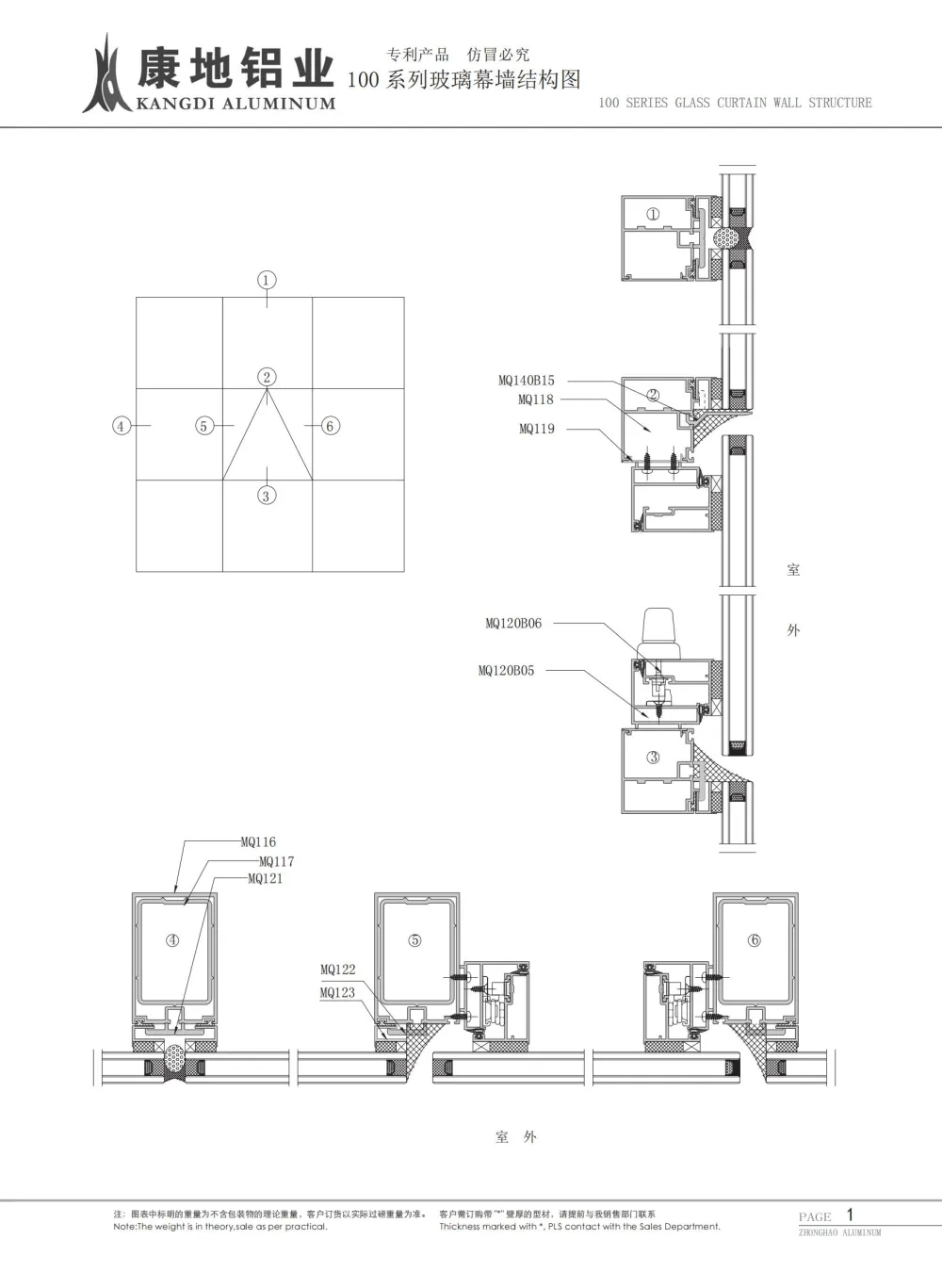
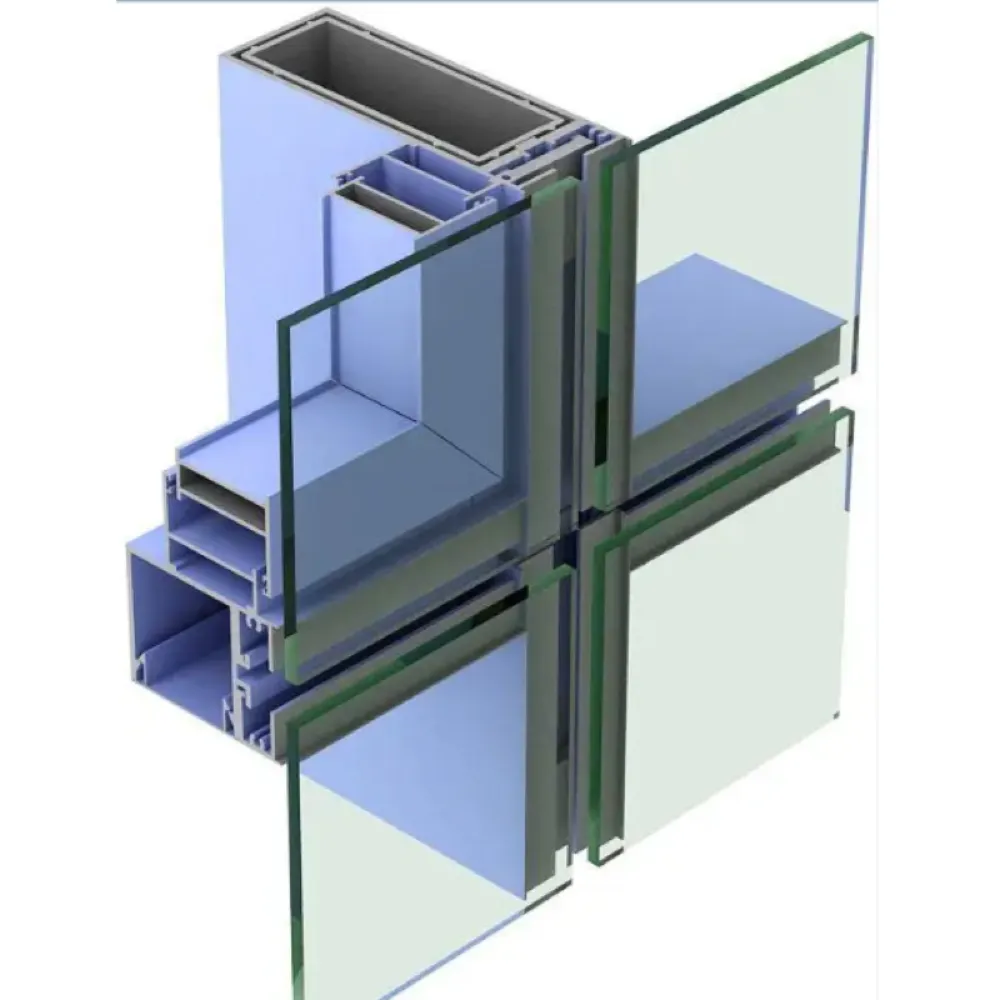
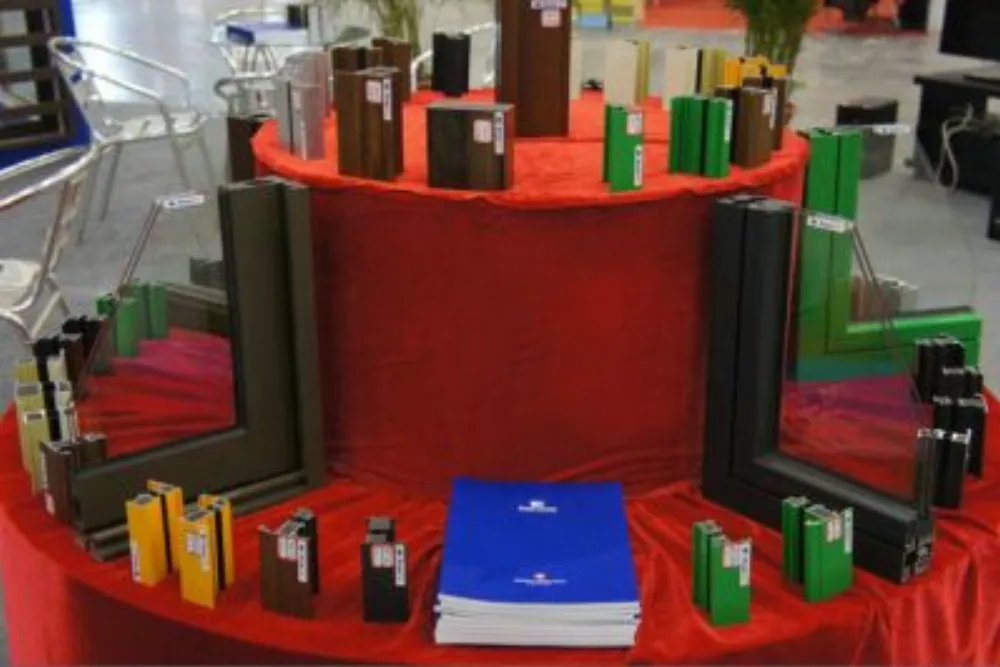
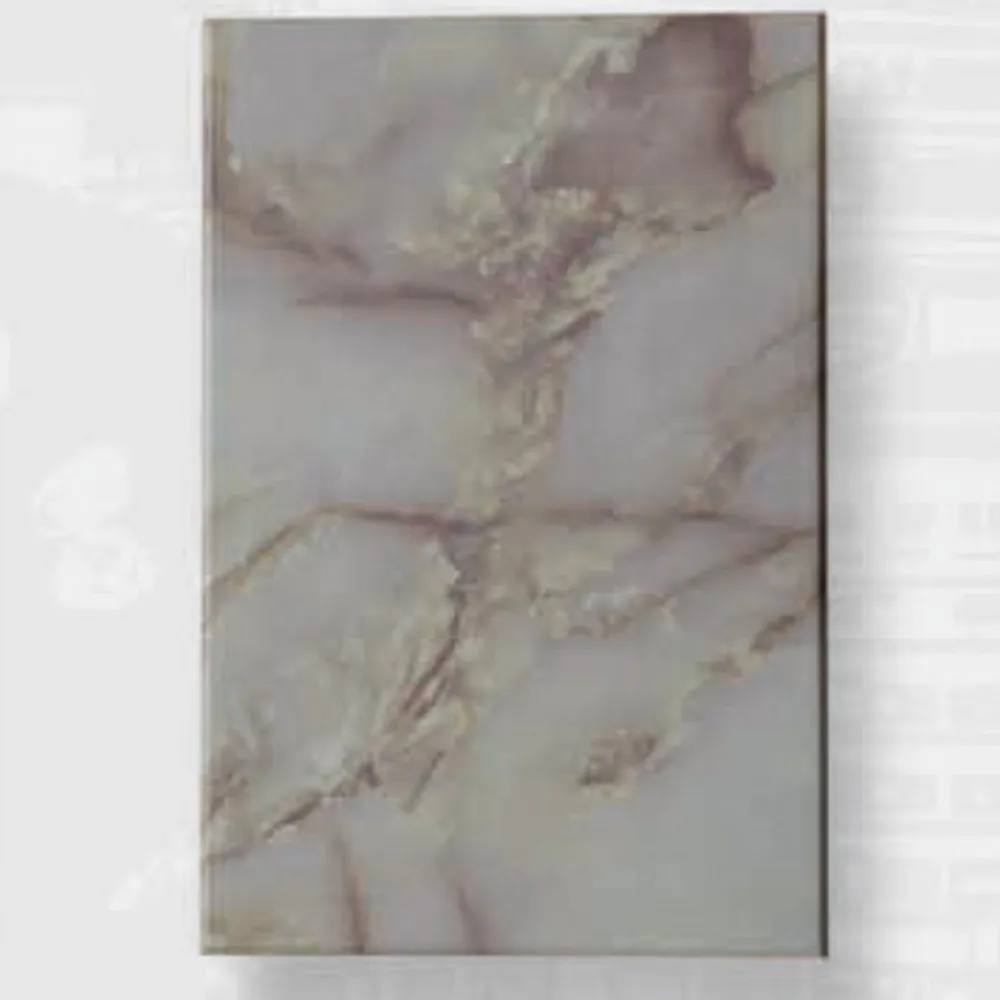
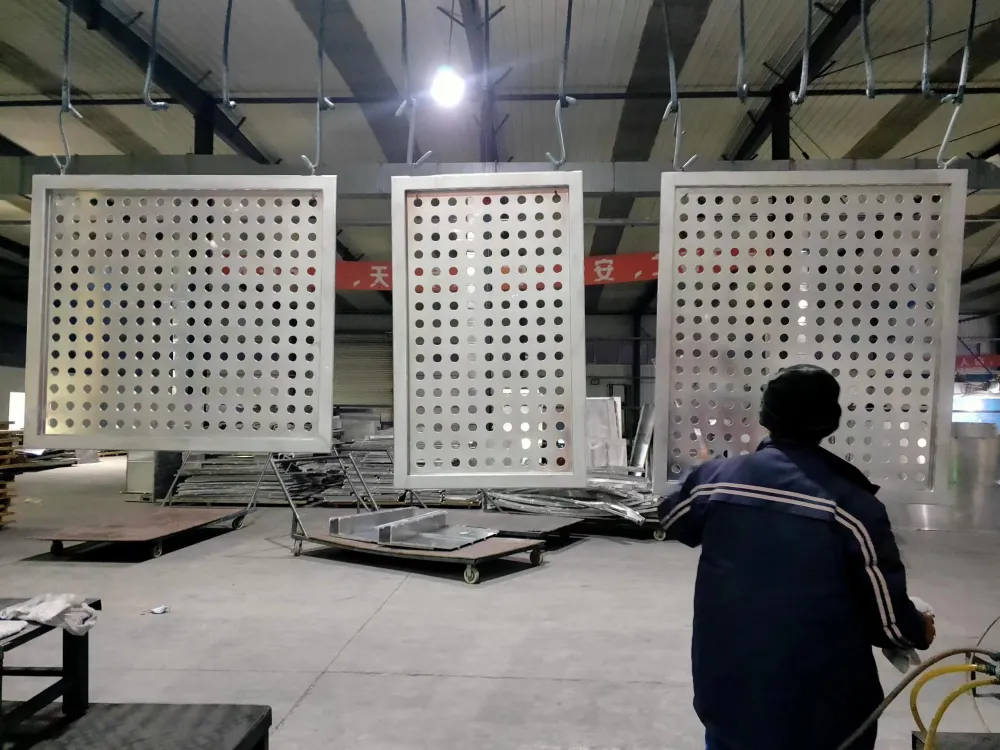
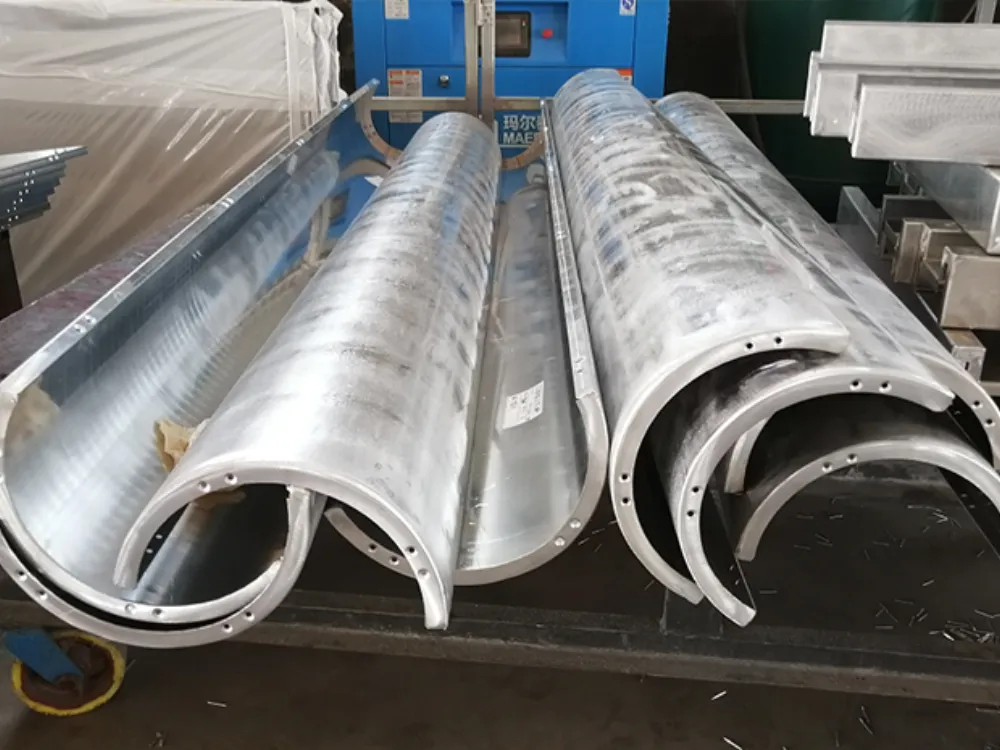
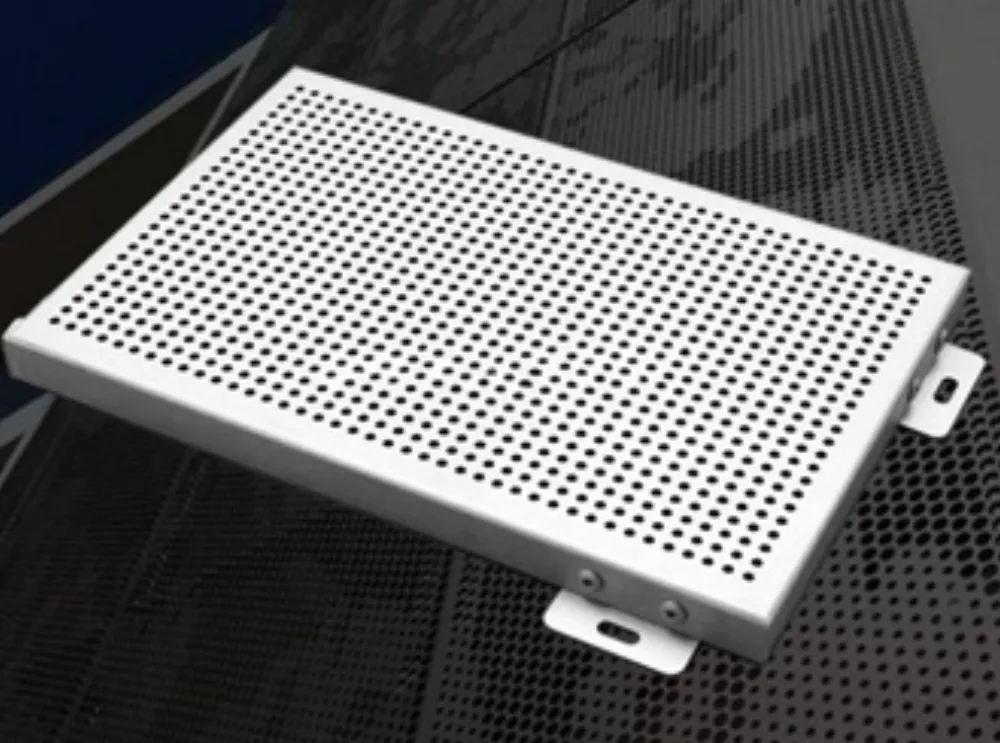
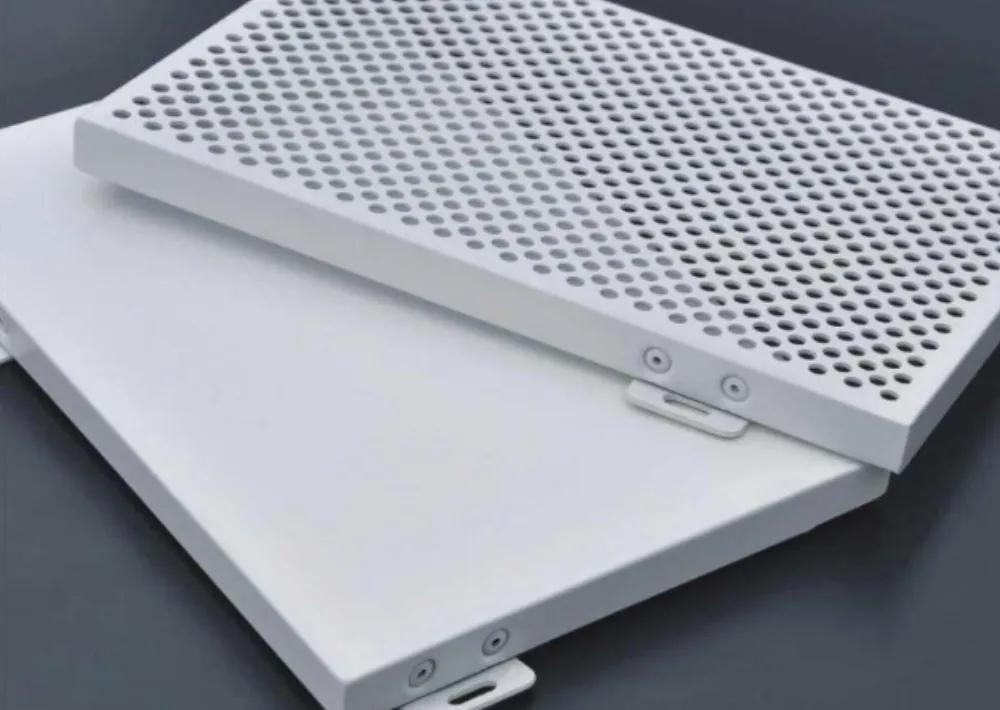
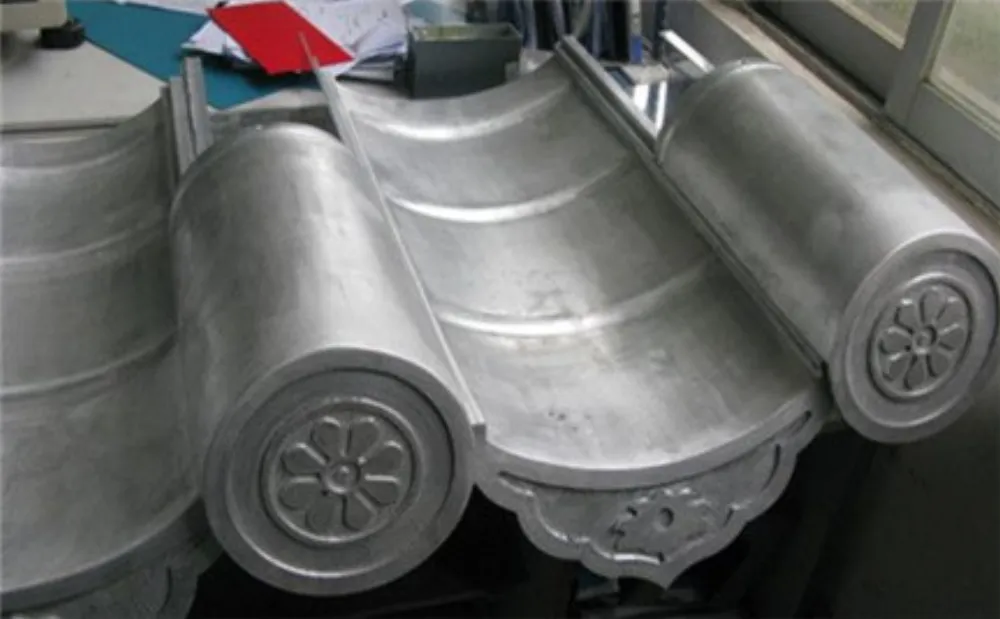
A curtain-wall fabricator assembles extruded framing profiles, glass, structural sealant, hardware and gaskets into an engineered facade system — stick-built (assembled on-site) or unitized (pre-assembled cassettes). A cladding panel maker produces flat or folded aluminium panels — ACP, solid veneer, honeycomb — for dry-cladding or rain-screen fixing onto a separate subframe. These are different production lines and different scopes of supply. Confirm what your project actually needs before shortlisting; a panel mill is not automatically a system fabricator and vice versa.
A project-grade curtain-wall order requires the fabricator to work from — or produce — shop drawings, coordinate with the structural and glazing engineer, verify wind-load and thermal performance for your zone, and test the system to the applicable facade standard (e.g. EN 13830 in the EU; local equivalents elsewhere). Ask specifically: does the manufacturer produce shop drawings in-house, or do you supply fabrication drawings? Does their system have a test report under the standard your specification requires?
For cladding panels, fire-class requirements are strict and specific to the actual core material. A non-combustible mineral core can achieve A2 (non-combustible) under EN 13501 or equivalent; a standard polyethylene (PE) core will not, and a fire-retardant (FR) core sits in between. A passing report on a different SKU or core grade does not cover your project — always request the fire-classification test report for the exact core and coating combination you are ordering.
PVDF (Kynar-grade, minimum 70% PVDF resin) is the industry standard for exterior longevity — applied in a primer-plus-top-coat system with a specified dry-film thickness (DFT). FEVE is a comparable fluoropolymer alternative. Ask for DFT inspection records and a coating warranty from the coating manufacturer, not just a verbal commitment from the panel mill. Powder coat suits interiors but is not the standard for commercial exterior facade exposure.
For a curtain-wall system, the boundary of supply is rarely self-evident: does the manufacturer's scope include glass panels, structural silicone, back-up rod, anchor brackets and thermal-break strips, or only the aluminium framing extrusions? Partial scope is common and creates accountability gaps when problems arise. Define every element in the RFQ and confirm it in the proforma invoice before ordering.
Common failure modes when sourcing facade systems and panels from China, with the mitigations buyers typically use. General industry practice — not a claim about any specific manufacturer.
Mitigation: State the required fire classification and applicable standard (e.g. EN 13501 class A2-s1,d0, or local equivalent) in the RFQ and PO. Request the test report for the exact core-and-coating combination ordered, not a generic certificate covering a different product. Re-test locally on arrival if the destination authority requires it.
Mitigation: Approve a physical production sample before the run starts; specify tolerance for bow, wave, colour delta-E and gloss level in writing. Require pre-shipment inspection by a third party (SGS, Bureau Veritas or equivalent) and keep a sealed reference panel from the approved sample for comparison on later deliveries.
Mitigation: Request project-specific performance test reports for air permeability, water tightness and wind resistance. A catalogue report from a different system configuration or smaller test specimen is not evidence for your project. If no applicable test exists, require the manufacturer to test or accept the risk clause in writing.
Mitigation: Specify coating system (PVDF / FEVE), resin percentage, minimum DFT, gloss-retention target and warranty duration in the order. Obtain the coating warranty letter from the paint manufacturer — not just from the panel mill — and confirm it is transferable to the project owner.
Mitigation: Cross-check the manufacturer's SAMR/USCC registration and confirm the Chinese legal entity you are paying matches the registered business scope (look for 'manufacture' or 'production', not only 'sales' or 'trade'). Use staged payments (deposit, balance against pre-shipment inspection or B-L), and consider a third-party factory inspection for large-value facade orders.
Benchmark a quote against today's mill price, then estimate the all-in landed cost to your port before you negotiate. A workable price is a pre-condition for an RFQ — not an afterthought.
You already know the product — use these to confirm a shortlisted mill can actually make what your project needs.
Curtain wall is a complete facade SYSTEM: extruded aluminium framing, glass infill, structural silicone, hardware, gaskets and thermal breaks — engineered as an assembly to carry wind load and provide weather resistance. Aluminum cladding is PANELS (ACP composite, solid veneer, honeycomb) fixed to an independent subframe or backing structure. They share some materials and suppliers but involve different scope, engineering and compliance.
Curtain-wall framing members are extruded in 6063-T5 (extrudable, anodizable, corrosion-resistant). Cladding panel skins are roll-formed from 3003 or 5005 series sheet — thin-gauge, not extrusion. Confirm alloy, temper and wall/sheet thickness per the mill test certificate for your order; don't rely on catalogue specs.
PVDF (minimum 70% Kynar resin, primer + top-coat system) is the standard for commercial exterior facade longevity. Ask for dry-film thickness (DFT) records and a warranty letter from the coating manufacturer. FEVE is an acceptable alternative. Powder coat is not the standard specification for sustained exterior facade exposure on commercial projects.
For sourcing: match the application to a mill's actual production line — a window-profile specialist isn't automatically a curtain-wall fabricator. Confirm the mill has produced your specific product type before.
For sourcing: ask for the mill test certificate (chemical composition + temper) for the exact alloy — a spec sheet alone isn't proof. Re-melt-heavy mills can drift out of spec batch to batch.
Primary exterior facade coating — 15+ year weathering grade; specify 70% minimum resin content and dry-film thickness
Alternative fluoropolymer with exterior durability similar to PVDF — acceptable in most facade specifications
Used on extruded curtain-wall framing — natural silver, bronze or black; not typical for flat panel finish
Suitable for interior cladding or sheltered facades; not the standard for commercial exterior facade exposure
For sourcing: finishing (anodizing, PVDF, powder-coat) is often outsourced. Confirm whether the mill coats in-house and to which film/coating-thickness standard — it drives both warranty and weathering performance.
Industry-applicable standards that govern this product type — not a certification claim for any individual mill.
For sourcing: request a project-specific test report against these standards — not a generic certificate. A standard that governs the product type is not proof a given mill's output was tested to it.
Chinese manufacturers export a large share of the world's aluminium facade products — both curtain-wall framing systems (stick-built site-assembled and unitized pre-assembled cassettes) and finished cladding panels (ACP composite, solid aluminium veneer, honeycomb). Framing profiles are extruded in 6063-T5 to GB/T 5237; panel sheet runs in 3003 or 5005 alloy to GB/T 23443 (veneer) or GB/T 17748 (ACP). Export-grade factories fabricate to your shop drawings, offer PVDF or FEVE exterior coatings, and can supply fire-classification test reports for specific core and coating combinations on request. Sourcing direct from a SAMR-registered manufacturer gives you a verifiable factory identity, project test data, and a direct negotiation channel for engineering scope, coating system and fire class. Use the supplier shortlist to compare manufacturers and send one structured RFQ.
Send one RFQ; we review your request and can help arrange an introduction to SAMR-registered curtain-wall and cladding manufacturers that match your system type, coating and volume.
Request a quote →