Suzhou Shuoyuan Aluminum
Suzhou, Jiangsu · Est. 2010 · 16 yrs
106050527075
7 product records · 7 with spec · 7 sourced
- Registered capital
- ¥7M
- Standards
- —
- Export signal
- —
One flat-rolled family, several procurement tasks: sheet and plate (cut-to-size), coil and strip (slit to width), and foil. Screen Chinese flat-rolled suppliers with verified official-site product evidence — 1xxx/3xxx/5xxx sheet-coil alloys and 8xxx foil — SAMR/USCC identity signals shown where captured. No paid rankings.
Buyers and importers sourcing flat-rolled aluminum — sheet, plate, coil, strip or foil — direct from Chinese rolling mills.
Buyers needing extruded profiles (see the extrusion pages), finished fabricated parts, or small retail cut-to-size orders.
29 suppliers cross-checked against SAMR registry records — the 9 with the most complete evidence are below.
How this data is sourced →Independent supplier intelligence — no paid rankings, no affiliate links. Supplier identity is cross-checked against the SAMR business registry where captured; we don't issue a 'verified' badge. Most cards are text-evidence only: product photos for this category are still being collected, so cards lead with alloys, specs and sourced records instead.
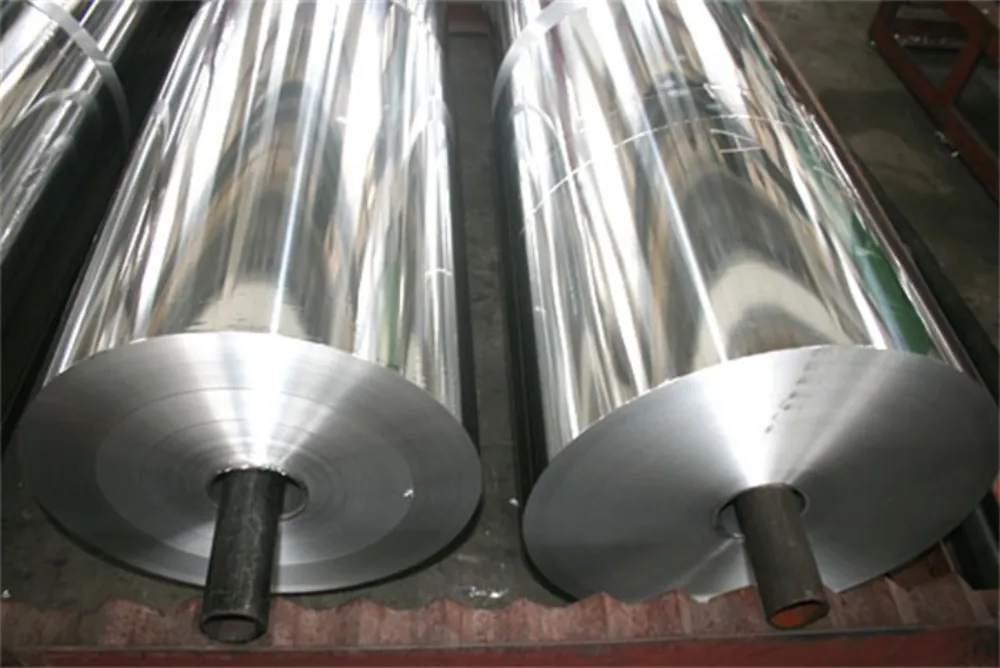
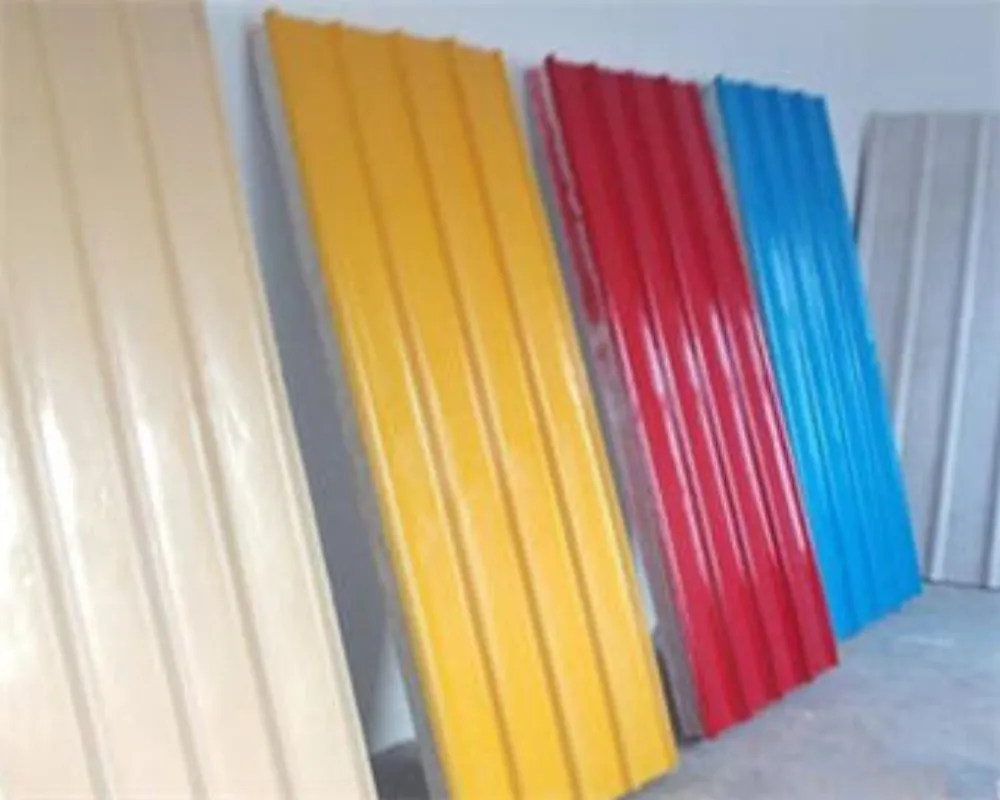
Check the SAMR business scope for rolling / calendering / manufacturing — not just 'sales' or 'trade'. A genuine mill controls casting or re-roll stock, rolling lines and slitting/cut-to-length equipment; an agent resells someone else's coil. Ask which alloys and tempers are rolled in-house and request the mill test certificate format they issue.
The same 3003-H14 sheet can be supplied to GB/T 3880, ASTM B209 or EN 485 — with different tolerance and testing regimes. State the governing standard in the RFQ and require the mill test certificate (MTC) to reference it. For coated coil, additionally specify coating type (PE / PVDF), dry-film thickness and gloss.
Several destinations — including the United States and the European Union — apply anti-dumping or countervailing duties to Chinese common-alloy sheet and other flat-rolled aluminium. A lower FOB price can invert after duties. Confirm the current duty status for your exact HS code and destination with your customs broker before shortlisting on price.
Compare verifiable signals first: SAMR-registered identity, years in operation, alloy/temper coverage in listed products, and export experience. Narrow to a handful of mills, then request samples, MTCs and quotes in parallel so quality and price are judged side by side.
Common failure modes when sourcing flat-rolled aluminum from China, with the mitigations buyers typically use. General industry practice — not a claim about any specific mill.
Mitigation: Specify the governing standard (GB/T 3880 / ASTM B209 / EN 485), thickness tolerance class and temper in the PO; require an MTC per batch and a pre-shipment inspection that includes gauge and flatness checks against the standard.
Mitigation: Verify the duty status of your exact HS code and destination before contract — not after. Landed-cost comparisons that ignore trade remedies are the most common flat-rolled sourcing mistake.
Mitigation: Specify coating system (PE / PVDF), resin grade, dry-film thickness and colour delta-E tolerance in writing; approve a production sample and keep a sealed reference; require coating-thickness readings in the inspection report.
Mitigation: Verify the company on SAMR before paying, confirm the beneficiary matches the registered entity, use staged payments (deposit, balance against pre-shipment inspection or B/L), and consider third-party inspection (SGS, Bureau Veritas) for large orders.
Benchmark a quote against today's mill price, then estimate the all-in landed cost to your port before you negotiate. A workable price is a pre-condition for an RFQ — not an afterthought.
You already know the product — use these to confirm a shortlisted mill can actually make what your project needs.
1050/1060/1100 for general-purpose and deep-forming uses; 3003/3004 for roofing, cladding and general fabrication with better strength; 5052/5083/5754 where corrosion resistance or marine exposure matters; 8011/1235 for foil. Confirm temper (O / H14 / H24 / H32…) with your fabricator — it changes formability and strength as much as the alloy.
Coil is the base mill product: better price per ton and less waste if you have decoiling/cut-to-length capability. Sheet (cut-to-size) suits buyers without coil-handling equipment. Many Chinese mills offer slitting and cut-to-length in-house — confirm capability and tolerances per order.
Mill finish (as-rolled), color-coated coil (PE for general use, PVDF for exterior weathering), stucco-embossed (insulation jacketing, anti-slip), and anodized sheet. Specify coating system and thickness in the RFQ rather than accepting a generic 'coated' description.
For sourcing: match the application to a mill's actual rolling capability — a foil converter is not automatically equipped to roll heavy-gauge plate, and a general-sheet mill may not run coil coating in-house. Confirm the mill has produced your specific alloy, gauge and finish before ordering.
For sourcing: ask for the mill test certificate (chemical composition + temper) for the exact alloy — a spec sheet alone isn't proof. Re-melt-heavy mills can drift out of spec batch to batch.
As-rolled surface; the default for fabrication stock
Coil coating for roofing & facade — PVDF for long exterior exposure
Insulation jacketing and anti-slip surfaces
Decorative and corrosion-protective sheet finish
For sourcing: finishing (anodizing, PVDF, powder-coat) is often outsourced. Confirm whether the mill coats in-house and to which film/coating-thickness standard — it drives both warranty and weathering performance.
Industry-applicable standards that govern this product type — not a certification claim for any individual mill.
For sourcing: request a project-specific test report against these standards — not a generic certificate. A standard that governs the product type is not proof a given mill's output was tested to it.
Chinese rolling mills supply a large share of the world's flat-rolled aluminium — common-alloy sheet and plate in 1050/1060/1100, 3003/3004 and 5052/5083/5754, color-coated and stucco-embossed coil, and converter foil in 8011/1235. Export-grade mills roll to GB/T 3880 and can supply to ASTM B209 or EN 485 tolerances with mill test certificates for the exact alloy and temper. Sourcing direct from a SAMR-registered rolling mill rather than a trading layer gives you a verifiable factory identity, mill test certificates on request, and a direct channel for slitting, cut-to-length and coating options. One caution up front: several destinations (including the US and EU) apply anti-dumping or countervailing duties to Chinese flat-rolled aluminium — confirm the duty status of your HS code and destination before comparing landed cost. Use the mill evidence below to shortlist and send one RFQ.
Send one RFQ; we review your request and can help arrange an introduction to matching Chinese flat-rolled suppliers — SAMR/USCC identity signals shown where captured — by alloy, gauge, surface and volume.
Request a quote →