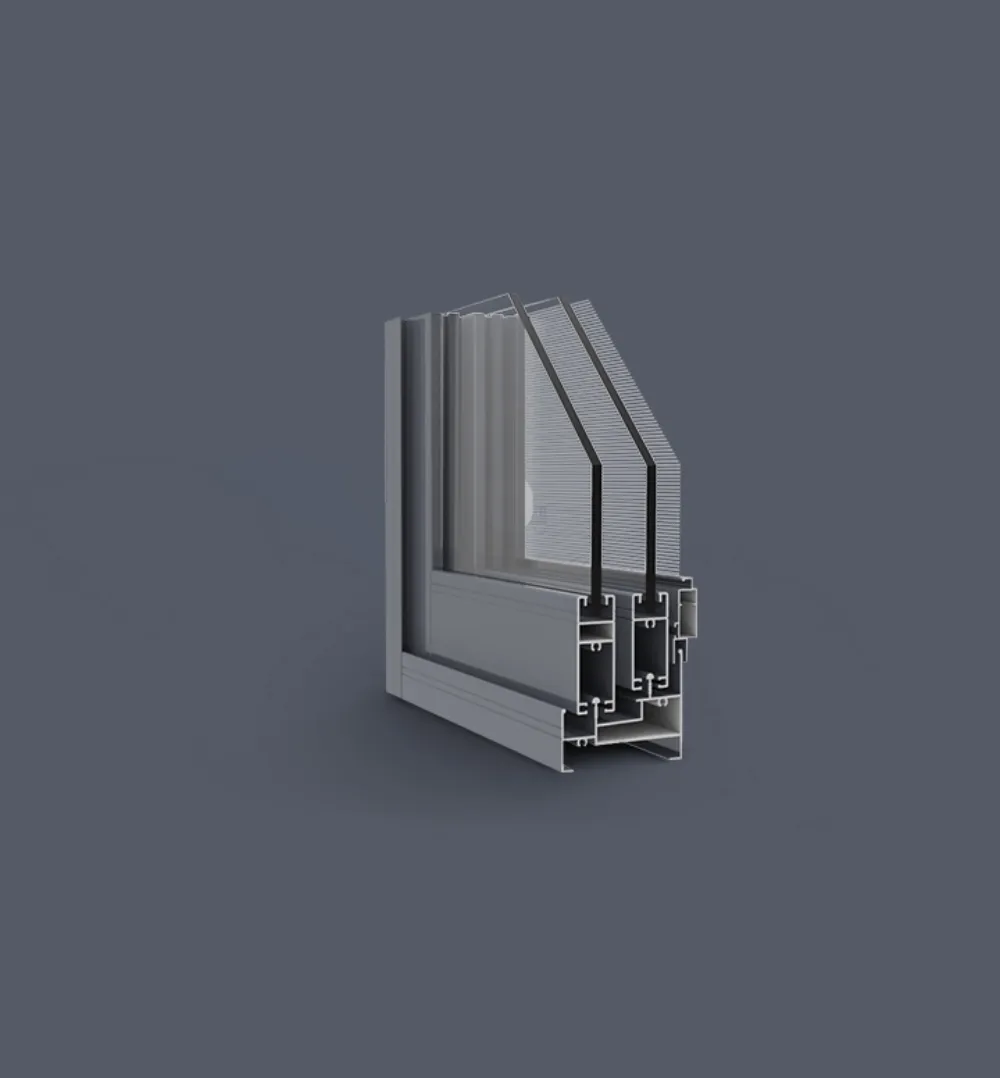
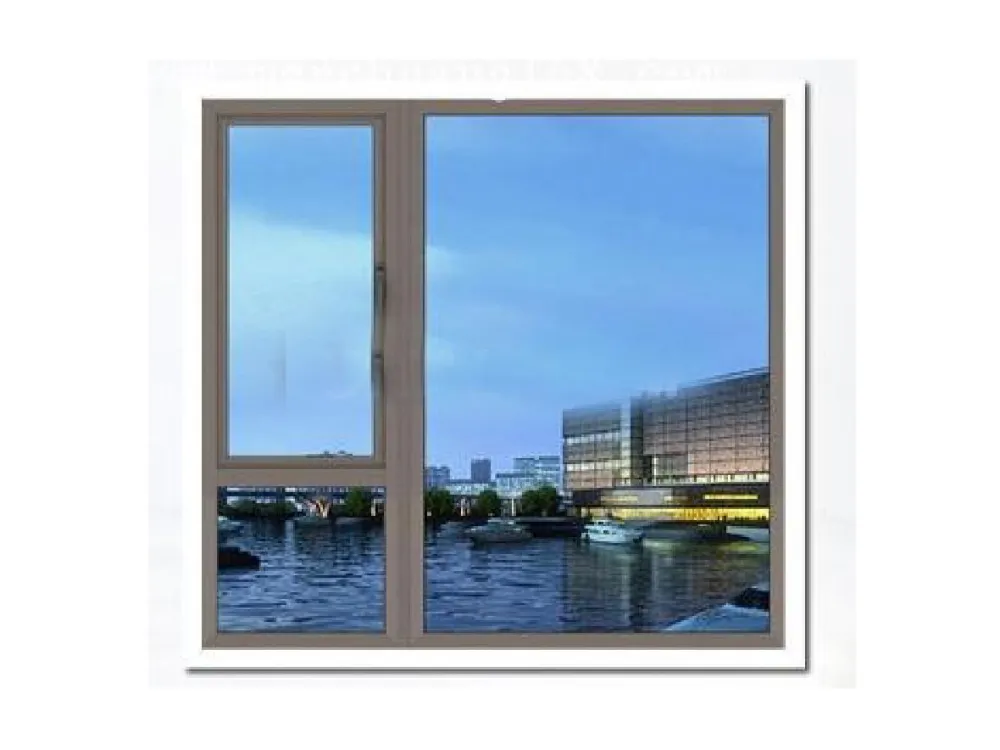
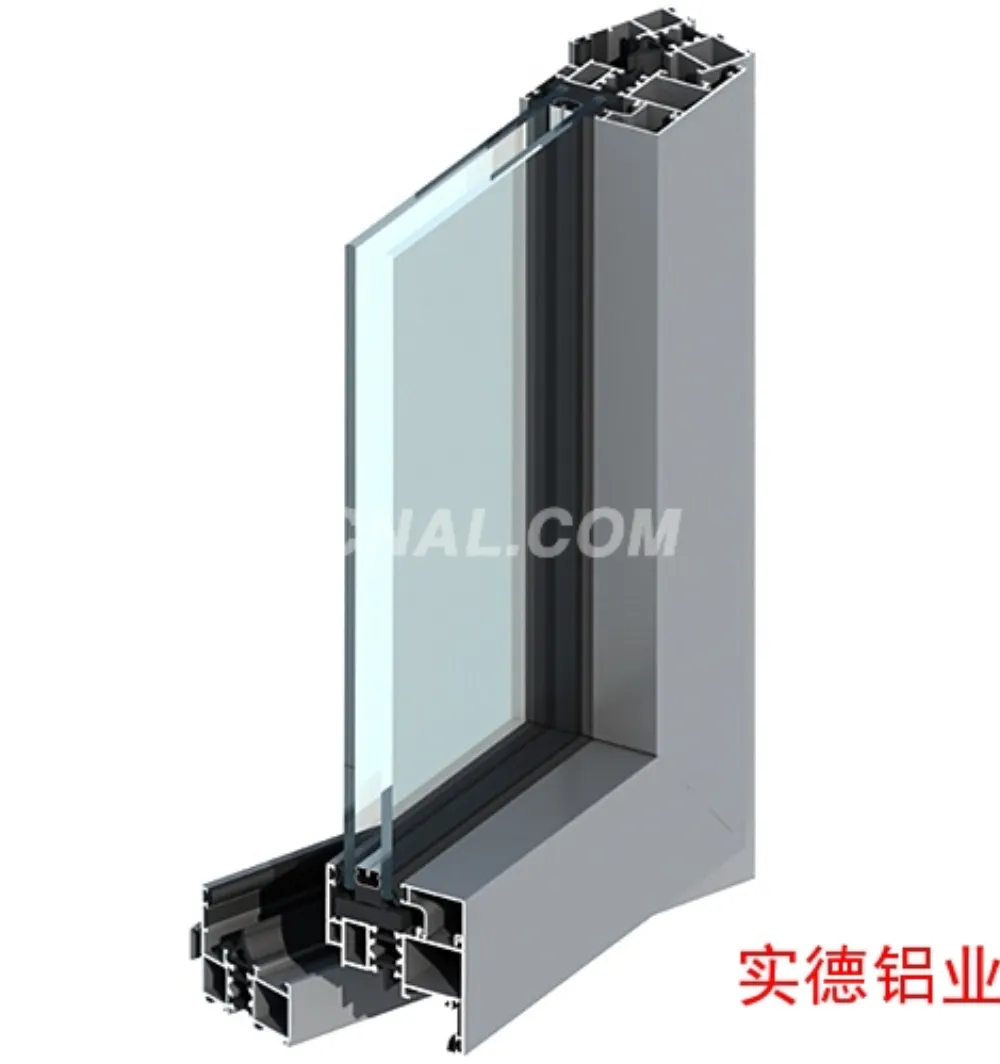
Nanchang Yangshi Aluminum
- Registered capital
- ¥14M
- Standards
- —
- Export signal
- —
- Capacity
- —
245 suppliers cross-checked against SAMR registry records — the 20 with the most complete evidence are below.
How this data is sourced →


Why price, MOQ and lead time are not fixed here: they move with alloy, die, finish, order volume and the day's mill price. Confirm them with shortlisted suppliers against the actual requirement.
These ranges are indicative across Chinese mills with public catalogues. Use them to scope an inquiry; confirm the final spec range with the supplier for your alloy and die.
| Shape | Typical spec range | Common applications |
|---|---|---|
| T-slot profile | 20×20–80×80 mm typical | Industrial framing, machine guarding, assembly jigs |
| Round tube | OD 6–200 mm, wall 1–10 mm typical | Railing, conduit, structural support, hydraulics |
| Rectangular tube | 20×40–100×200 mm, wall 1.5–6 mm typical | Window/door frames, mullions, signage |
| Angle | Leg 10–100 mm, thickness 1.5–8 mm typical | Edging, brackets, structural reinforcement |
| Channel (U / C) | Web 15–120 mm, flange 10–60 mm typical | Glazing channels, slide tracks, frames |
| Flat bar | Width 10–300 mm, thickness 2–25 mm typical | Mounting strips, busbars, edge protection |
| Heat-sink profile | Fin density 1–4 mm pitch, base 3–10 mm typical | LED, power electronics, inverters, telecom |
| Custom profile | Die-driven; circumscribing circle ≤ ~250 mm typical | Window/door systems, curtain-wall mullions, OEM |
Spec ranges are typical across mills with public product catalogues; individual mills publish tighter or wider envelopes. Confirm the achievable cross-section, tolerance, and length with the supplier before tooling.
Three alloy/temper combinations cover most aluminum extrusion sourcing decisions. Use this table to narrow the shortlist; then use the alloy picker for a guided decision based on your application.
| Alloy / Temper | Strength | Corrosion | Extrudability | Typical use |
|---|---|---|---|---|
| 6061-T6 | High — 276 MPa UTS typical | Good (lower than 6063) | Moderate (slower extrusion rate) | Structural framing, machined enclosures, marine |
| 6063-T5 | Moderate — 186 MPa UTS typical | Excellent (best of the three) | Excellent (fastest, finest finish) | Window / door profiles, architectural, anodized parts |
| 6005A-T6 | High — 260 MPa UTS typical | Very good | Good (between 6061 and 6063) | Truck chassis, solar racking, structural where weldability matters |
Extruded surface, no post-treatment. Lowest cost, used where surface isn't visible (industrial profiles, internal framing).
Electrochemical oxide layer. Standard for architectural profiles; 6063-T5 takes anodizing best. Available in clear, champagne, bronze, black.
Thermoset polymer applied dry, baked. RAL-coded colour range, widely available across Chinese extruders, lower cost than PVDF.
Higher-performance fluoropolymer paint. Required for exterior architectural use in many markets (curtain-wall facades). Confirm Kynar/Hylar resin spec with supplier.
Heat-transfer film over powder coat or anodized base. Common in window/door profiles for residential and hospitality applications in Asian markets.
Custom dies open up profile families that don't exist in standard catalogues. Die cost, MOQ and lead time depend on cross-section complexity, alloy, finish and order volume — they aren't fixed list values, so confirm each directly with the mill.
Die cost, MOQ, and lead time vary materially by mill, profile complexity, and surface treatment. Confirm with the supplier before placing an order.
Extrusion pricing tracks LME / SHFE aluminum prices plus a mill conversion premium (USD/kg), then layers in ocean freight, anti-dumping (where applicable), MFN duty, VAT, and FX. The landed-cost calculator runs the full breakdown for a default 25 t / 6063 extrusion / Shanghai → HCMC CIF; adjust to your route, alloy, and incoterm.
Select suppliers above and send one specification. We organize the requirement and request introductions to matching SAMR-registered mills. Pricing and terms are confirmed by the mills, not promised here.
MOQ varies by mill, by profile, and by whether the die is in-catalogue or custom — for a custom die it is set so the mill recovers its tooling investment. We don't publish a fixed number because it tracks each mill's volume strategy, not a single rule. Confirm the exact MOQ per profile with the shortlisted supplier.
Die cost is driven by cross-section complexity, circumscribing circle, and number of cavities, and some mills will amortise the die fee into the unit price when the order volume justifies it. It's quoted per project rather than a public list price, so confirm it with the shortlisted supplier.
Lead time depends on die approval, surface treatment (PVDF or specialty anodizing), certification, and ocean freight to your port — each order is scheduled differently. It's quoted per order rather than a fixed figure, so confirm the timeline directly with the mill.
Standard request set: Mill Test Certificate (chemistry + mechanical), ISO 9001 quality management, anodizing certification (e.g. Qualanod) for architectural profiles, and a Certificate of Origin if you're claiming preferential duty. For curtain-wall systems, ask about AAMA / EN 12020-2 / GB/T 5237 compliance per your market.
First-time orders are commonly 30% T/T deposit on PO, 70% T/T against B/L copy or LC at sight. Established relationships move toward 30/70 with longer credit. Avoid 100% prepay before sample approval; use LC if you can't confirm the mill via independent identity evidence.
Most mills will cut a 0.3–1 m length sample of an in-catalogue profile, free or for a small fee plus freight. Custom-die samples come from the die trial run after tooling — confirm the trial sampling protocol in your PO.
Product focus comes from reviewed supplier catalogues. Established year and registered capital come from China's public business registry (USCC / SAMR). Capacity is self-published by the mill; export signals are inferred from registered business scope and website evidence — neither is an independent audit or a supplier-quality score. OFAC screening comes from the U.S. SDN list; UFLPA geographic risk from registered location. Product records and photos are scraped from each mill's official site, so coverage is uneven. We never publish supplier contact details, and MOQ, lead time and price must be confirmed directly with shortlisted suppliers. Product data last reviewed May 22, 2026. Read methodology →
Listings on this page are based on publicly available official-site product evidence and SAMR registry data. We do not certify factory capability, audit production, or guarantee delivery. Confirm specifications, MOQ, certifications, and lead time directly with each supplier before placing orders. Pricing and landed-cost figures are estimates based on public benchmarks (LME, SHFE, Changjiang, Freightos FBX, customs duty schedules) and are not binding.